Kits de cellules de charge
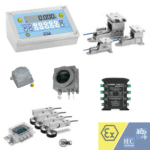
We provide a range of off the shelf load cell kits for replacing load cells in existing machines or building your own weighing solution.
The load cell kits can be integrated into applications in a variety of ways – please call or use the online chat for advice about which kit is suitable for your needs. Kits can also be made up of other types of load cell components so you can rest assured there is the perfect load cell kit for your application.
Examples of where these kits have been utilised recently by clients include small electrical food mixers and mounted under gravity fed conveyors.
Foire aux questions
What are load cell kits and how do they work?
Load cell kits are ready-to-use sets of load cells and mounts that can turn almost any platform or vessel into an integrated weighing system. Once installed, the load cells measure the weight applied to the structure and send accurate readings to a digital weight indicator.
What are load cell kits used for?
They’re ideal for replacing load cells in existing machines or for building your own weighing solution from scratch. Recent customer applications include small electric food mixers and weighing systems mounted under gravity-fed conveyors.
Which load cell kits does MWS offer?
MWS offers a range of off-the-shelf kits, including the KCPN compression load cell mount assembly kits, the PLT Series 350 Ohm nickel-plated load cell kit, and the PLX1K-1 Series 1000 Ohm load cell kit. The PLT and PLX1K-1 kits are perfect for creating platforms with four load cells in a variety of sizes and capacities.
What weight capacities are available for load cell kits?
Load cell kits come in a wide range of capacities to suit different weighing applications. For example, the KCPN mount kits support CPX series compression load cells up to 100,000kg and CPA series load cells up to 10,000kg. The right capacity for you will depend on the dead load and live load of your system.
How do I choose the right size load cell kit?
First, work out the dead load (the weight of the structure the load cells support) and the maximum live load. Add these together and divide the total by the number of load cells. For example, a vessel with a 1,500kg dead load and a 5,000kg live load gives 6,500kg in total, or 1,625kg per load cell across four mounts. We’d recommend rounding up to at least a 2,000kg or 2,500kg load cell for safety.
Why should load cells be oversized for vessel weighing?
Most vessel and platform weighing systems are under constant load, which can cause a small amount of creep over time. Choosing load cells with extra capacity, often around double what’s strictly required, helps protect accuracy and extends the life of the system.
Can load cell kits be customised to suit specific applications?
Definitely! Kits can be made up of different load cell components, so you can build the perfect load cell kit for your application. Our process weighing team is always happy to recommend the best combination for your scale-building needs.
What is involved in installing a load cell kit?
Start by checking that the floor or supporting structure is strong enough to carry the load. If it isn’t, footings or piers may need to be added. Each load cell should then carry an equal share of the dead weight, which is checked by testing the millivolt readings. Once balanced, the load cells are secured and the stands are grouted to prevent movement.
Can I install a load cell kit myself?
While it’s possible, we don’t recommend sizing or installing a load cell kit without expert advice. Correct setup is essential for accurate weighing, and materials must be delivered in a way that doesn’t interfere with the load cell mounts. Our engineers are on hand to help, or we can handle the installation for you.
How are load cell kits calibrated and maintained?
To keep your weighing system accurate, regular inspections and scheduled calibrations are essential. MWS offers load cell and process weighing calibration services to ensure your system continues to perform reliably over time. Learn more about our calibration services.
Kits de cellules de charge
Micro Weighing Solutions offers load cell kits that are dependable and, just as important, affordable. These load cell kits transform any platform or vessel into an integrated weighing system. You will need instructions on the proper setup methods and installation for them to work correctly.
We are always happy to provide what we recommend for your scale building needs. Simply ask to speak to one of our process weighing team.
The first thing you should do is determine the dead load of the system and the maximum live load. The dead load is the total weight of the structure that the load cells support. When making your own weighing scale, you need the proper size load cells to perform the task with ease. This first step is crucial. You will want to make that load the necessary minimum system capacity. Once this has been determined, you will need to divide that load among the number of load cell mounts, in our case, 4. We offer load cell kits in groups of four with various capabilities due to the multiple sizes.
Example of How we Determine the Size of Your Load Cell Kits
Let’s take a look at an example. If your vessel has a deadweight of 1,500kg and you have an anticipated live load of 5,000kg, you would have a combined total of 6,500kg. From there, you will need to divide that weight up by four, so you would be looking at 1,625kg per load cell. We like to round this up for safety measures and suggest a 2,000kg load cell or 2,500kg load cell, at a minimum.
Since most of these systems are under constant load, it is common for them to creep a little. This is why the load cells must be large enough. Because of this, we will often recommend a load cell that is double that of the necessary capacity.
We don’t recommend trying to figure out what load cell kits you need on your own; when building your own weighing scale, you need to count on the experts. Contact us today if you are interested in building your own weighing scale – our engineers are always standing by ready to assist.
Installation of Load Cell Kits
When installing load cell kits, you need to consider the structure that the load will be sitting on. Quite often this is the floor. However, it could also be different areas of the building’s structure. If there isn’t enough strength, footings or piers will need to be added. This will add additional support required by the entire structure to sit on.
Once the footing is stable, it is then important to ensure that each load cell takes on the same about of dead weight. This is done by testing the millivolt readings. Once they are as close as possible, you can secure the load cells. Then grout the stands to ensure they don’t move.
Keep in mind, for the scales to work, you must deliver materials in a way that doesn’t interfere with the load cell mounts for your vessel.
If you have questions or concerns regarding building your own weighing scale or building scales in general, don’t hesitate to give us a call or chat to an online representative.