






Food and Drink Industry 29 June – 5 July: Ft Suntory and Daabon
- Suntory is investing £14.5 million in a next-generation blackcurrant processing facility in Herefordshire.
- Daabon has acquired Brazilian palm oil producer Agropalma, making it the largest sustainable palm oil producer in the Americas.
Suntory Backs British Blackcurrants With £14.5 Million Herefordshire Investment
Japanese drinks giant Suntory is reinforcing its commitment to UK food production with a £14.5 million investment in a next-generation blackcurrant processing facility in Herefordshire.
The Ribena and Lucozade maker said the move forms part of its wider efforts to strengthen UK investment, support British farming and build more resilient food supply chains.
The project is being launched in partnership with Döhler Group’s Herefordshire-based Bevisol Ltd and will focus on modernising the processing of British blackcurrants, a fruit closely tied to one of Suntory’s best-known drinks brands.
The upgraded Ledbury site will be fitted with advanced technologies designed to improve efficiency, traceability and operational performance across blackcurrant processing.
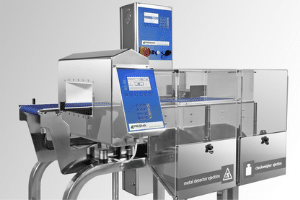
These will include advanced evaporators powered by vapour recompression technology, helping support modern, high-capacity processing, alongside cleanable membrane filtration that will replace conventional filtration methods and improve operational efficiency.
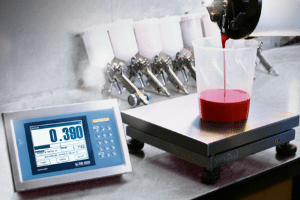
The facility will also feature automated weighing, tipping and handling systems to improve consistency, while digital smart tracking on fruit bins will provide greater visibility throughout the supply chain.
A Future-Ready Facility for UK Fruit Preparation
Döhler has positioned the project as a significant step forward for United KIngdom fruit processing. Its global account director said the partnership with Suntory brings together processing expertise, innovation and targeted investment in a future-ready facility for UK fruit preparation.
The company added that the project strengthens its global partnership with Suntory while reflecting a shared commitment to enhancing local production capabilities, supporting jobs in the region and contributing to the long-term future of British blackcurrant farming.
For Suntory, the investment underlines its continued commitment to UK blackcurrant sourcing. The company said the Ledbury project builds on its relationships with 33 blackcurrant farms across five growing regions in the United Kingdom.
The scheme is also expected to support employment in the region, creating 12 new full-time roles and a further 30 seasonal positions.
Part of a Wider £57.5 Million UK Supply Chain Programme
The Herefordshire facility forms part of a wider £57.5 million investment programme by Suntory across its UK supply chain. This includes recent projects at the company’s Coleford factory, aimed at strengthening manufacturing capability and reducing emissions.
Among those plans are upgrades to the site’s electricity connection, designed to reduce reliance on its gas turbine, as well as a new £25 million manufacturing line due in 2027.
The investment has also drawn support from the government. The farming minister described the project as a vote of confidence in British farming and in the generations of blackcurrant growers whose fruit has helped make Ribena a household name.
The minister added that by investing in greener technology and modern processing, projects such as this can strengthen UK supply chains, support rural jobs and help ensure British blackcurrant production continues to thrive for years to come.
Through the Farming Innovation Programme, the government is investing at least £200 million by 2030 to help farmers and food producers turn innovation into growth, boosting productivity while building a more resilient and sustainable food system.
Daabon Becomes Largest Sustainable Palm Oil Producer in the Americas
While Suntory is deepening its investment in British fruit processing, organic ingredients multinational Daabon is making a major move in sustainable palm oil.
Grupo Daabon has acquired Agropalma, Brazil’s leading producer of palm oil and derivatives, for an undisclosed sum. The deal makes Daabon the largest sustainable palm oil producer in the Americas and marks the Colombian family-owned company’s entry into Brazil.
Daabon already operates across four continents through regional offices including Daabon UK and Daabon Europa. Its portfolio includes regenerative organic and certified sustainable palm oil, as well as bananas, cocoa, coffee, avocados and limes.
The acquisition significantly scales Daabon’s supply chain and is expected to improve the availability of fully traceable, EUDR compliant and certified sustainable palm oil for the UK, Europe and wider global markets.
Agropalma Deal Brings Scale, Forest Reserves and Processing Capacity
The acquisition includes 100% of Agropalma’s operations in Pará, covering 39,000 hectares of planted palm, 64,000 hectares of forest reserve areas, six extraction plants in Tailândia and a refinery in Belém.
It also brings 5,000 employees and 300 partner farms into Daabon’s business. The company has said strategic investments are planned to boost plantation productivity, strengthen sustainability and expand regional support programmes.
The managing director of Daabon Europa and Daabon UK said Agropalma is a family farming business that shares Daabon’s values and commitment to sustainability. The company’s mission, they added, is to build on that shared legacy, elevate the combined organisation and set a new benchmark for the industry.
They said the enlarged group will be stronger, more resilient and better positioned to serve European, UK and global markets with certified sustainable, deforestation-free palm oil that meets high standards of environmental and social responsibility.
Daabon Plans New Investment in Brazil
Daabon’s arrival in Brazil marks the beginning of a new programme of investment in Pará. The company said this will help create jobs, consolidate community partnerships and support wider regional development.
A key part of that approach will be further support and engagement with smallholder farmers in Brazil. Daabon has said it will invest in improving the productivity of its palm plantations in line with the development potential of Brazil’s sustainable palm oil sector.
The company will also focus on aligning Agropalma’s operations with Grupo Daabon’s standards and certifications. Following the acquisition, Agropalma’s Brazilian operations will preserve the brand’s legacy and continue under the Agropalma name.
The refinery located in Limeira, which was not included in the deal, will operate entirely as Indústrias Xhara under the new management of APAR Holdings Group.
Impact on Food Manufacturing and Food Production
Together, the Suntory and Daabon announcements point to a wider direction of travel in food manufacturing and production: greater investment in resilient, traceable and technology-led supply chains.
For manufacturers, Suntory’s investment shows how automation, digital tracking, modern filtration and greener processing can improve consistency and efficiency while supporting domestic farming.
In a sector still shaped by cost pressure, climate concerns and supply chain disruption, investment in local processing capacity can reduce vulnerability and give producers better control over quality, sourcing and long-term planning.
Daabon’s acquisition of Agropalma reflects another important pressure facing the industry: the growing demand for sustainable, deforestation-free and fully traceable ingredients.
With EUDR compliance becoming increasingly important for businesses selling into European markets, major food producers and ingredient suppliers are having to demonstrate not only volume and reliability, but also transparency and environmental responsibility.
For food production as a whole, both developments suggest that future competitiveness will depend on more than scale. It will also depend on cleaner technology, verified sourcing, farmer partnerships, regional investment and the ability to prove where ingredients come from.
Conclusion: Supply Chain Investment Moves From Promise to Practice
Suntory’s £14.5 million investment in Herefordshire and Daabon’s acquisition of Agropalma may sit in different corners of the food industry, but they tell a similar story.
Food and drink companies are no longer treating supply chain resilience, sustainability and traceability as background issues. They are becoming central to investment decisions, manufacturing upgrades and long-term growth strategies.
For Suntory, the focus is on strengthening British blackcurrant farming, protecting the future of Ribena’s supply chain and modernising UK fruit processing. For Daabon, the priority is scaling sustainable palm oil production while expanding traceable, deforestation-free supply for demanding global markets.
Both moves show an industry preparing for the next phase of food production, one where efficiency must sit alongside responsibility, and where the strength of the supply chain matters as much as the product on the shelf.
News Credits:
Ribena and Lucozade producer pumps over £14M into Herefordshire site
Agropalma acquisition makes Daabon palm oil powerhouse
Thing you may also like: