



Magnetic Equipment Calibration Services
Magnetic separation plays a vital role in food safety. If magnets are not performing as intended, metal contamination risks increase and audit compliance can be compromised. MWS provides professional gauss calibration services for magnetic testing equipment, helping you demonstrate control, traceability and due diligence.
We test magnetic rods, sieve magnets and other magnetic assemblies used within food production and quality assurance environments.
Our service and calibration teams have decades of experience in the industry and operate out of both the Head Office in Leicester and the Northeast Service Centre located in County Durham.
Why Magnet Testing Matters
Food safety standards require that the type, location and strength of magnets are fully documented. Procedures must be in place for inspection, cleaning, strength testing and integrity checks, with clear records retained.
Regular gauss testing confirms that:
- Magnets are delivering the required field strength
- They are suitable for their product and process location
- Housings and assemblies remain intact
- Records are available for audit and inspection

Understanding Magnet Strength
Different applications require different strengths.
Ferrite, or ceramic, magnets typically measure between 1500 and 2000 gauss. These are commonly used in primary production stages to capture larger metal fragments.
Rare earth magnets can reach up to 12000 gauss and are often installed in secondary or final stages where fine metal particles must be removed.
Product type also matters. For example, some products such as flour may contain iron additives. In these cases, magnet strength should generally not exceed 7000 gauss to avoid removing essential content.
Selecting the correct strength is about suitability, not simply maximum power.
How We Calibrate
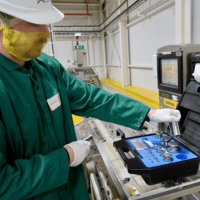
Our engineers use a certified gauss meter to measure magnetic field strength. The meter is calibrated annually, and a copy of its calibration certificate can be supplied.
Each report includes:
- Required magnet strength for the location
- Magnet type
- Actual gauss reading
- Pass or fail status
- Condition assessment of the magnet and housing
- Photographs for clear identification
Where issues are identified, we highlight any remedial action required.
Standards and Compliance
Magnet calibration is carried out in line with relevant parts of HACCP 0909MAGSEP 1-2010 International Food Safety Standard. This supports documented control procedures and audit readiness.
Service and Pricing
Magnet testing is charged on a half-day or full-day basis, depending on the number of magnets and site location.
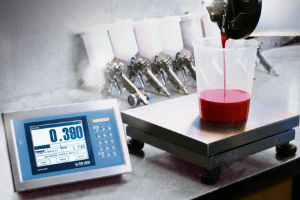
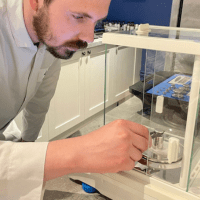
MWS can also calibrate additional test, measurement and process equipment such as temperature, humidity, pressure, and more, as well as all types of weighing equipment.
If you need clear, documented evidence that your magnetic systems are performing as required, MWS can help. Get in touch to arrange a visit or discuss your requirements.

Magnetic Equipment Calibration FAQ
What is gauss calibration for magnets?
Gauss calibration measures the magnetic field strength of rods, plate, grates and sieve magnets using a certified gauss meter to confirm they meet required performance levels.
Why is magnetic strength testing important in food production?
It helps ensure metal contaminants are effectively removed and provides documented evidence for food safety audits and quality assurance procedures.
What types of magnets does MWS test?
We test magnetic rods, plate magnets, grate magnets, sieve magnets and other magnetic assemblies used within food processing environments.
Which standards do you follow when calibrating magnets?
Testing is carried out in line with relevant parts of HACCP 0909MAGSEP 1-2010 International Food Safety Standard to support compliance and traceability.
How is magnet strength measured?
Our engineers use a certified gauss meter to record the magnetic field strength at specified points on the magnet assembly.
Do you provide documentation for audit purposes?
Yes! We supply a detailed report showing required strength, actual readings, pass or fail status, condition assessment and accompanying photographs.
What gauss strength should food industry magnets have?
This depends on the application. Ferrite magnets are typically 1500 to 2000 gauss, while rare earth magnets can reach up to 12000 gauss. Some products, such as flour with iron additives, may require lower strengths.
How often should magnets be tested?
Testing frequency depends on your HACCP plan and risk assessment, but regular scheduled checks are recommended to maintain compliance.
Can you provide proof that your gauss meter is calibrated?
Yes! Our gauss meter is calibrated annually, and we can provide a copy of the calibration certificate on request.
How is magnet calibration priced?
We charge on a half-day or full-day basis, depending on the number of magnets to be tested and the site location.
If you have other equipment that requires calibrating such as weighing scales or temperature probes, for example, we can often work provide a discounted rate. Speak to our team who can advise.
Can you calibrate other types of test, measurement and process equipment?
We sure can! MWS provides calibration services for weighing and non-weighing equipment such as temperature, pressure, magnets, metal detectors, humidity, salt analysers, Milliamp and voltage loop measurement, pH and conductivity meters, and more!
Contact Us
"*" indicates required fields