Batch Weighing

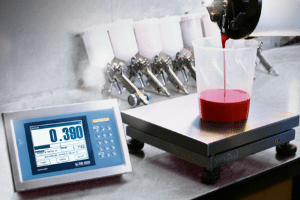
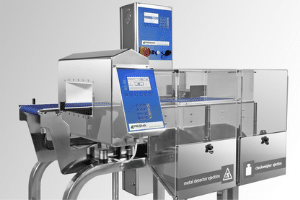
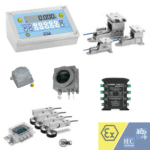
MWS provides solutions for batch control “process weighing” applications and standalone recipe weighing for control filling, dosing and check weighing systems using an intelligent weighing indicator.

If you are unsure which solution is right for you, speak to one of our weighing specialists today who can advise on the best system. We can also tailor any solution to your specific requirements.

Batch Weighing FAQ

What is batch weighing and how does it work?

A batch weighing system measures and controls the precise amount of material used in a specific batch or recipe. The operator sets up the desired formula, specifying the required quantity of each ingredient. As production begins, the system accurately weighs each material in turn, ensures the correct amounts are added, and the ingredients are then mixed or processed according to requirements. Many systems are integrated with automation and data logging to reduce human error and support traceability.

What batch weighing solutions does MWS offer?

MWS provides batch weighing solutions for process weighing and standalone recipe weighing applications. This includes control filling, dosing, and check weighing systems driven by an intelligent weighing indicator, as well as integrated solutions for batch control across a wide range of industrial processes.

What industries use batch weighing systems?

Batch weighing systems are widely used across food and beverage production, pharmaceuticals, chemicals, plastics, animal feed, and general manufacturing. Basically, anywhere that accurate, repeatable ingredient measurement is critical for product quality, safety, or regulatory compliance.

What is the difference between process weighing and recipe weighing?

Process weighing refers to the continuous measurement and control of materials within a production line, such as filling or dosing systems that operate as part of a larger automated process. Recipe weighing is typically a standalone application where a specific set of ingredients are weighed out in sequence according to a stored formula, often with operator prompting at each step.

What are the key benefits of using a batch weighing system?

Batch weighing systems deliver a number of important advantages: high accuracy ensures the correct quantities of each ingredient are used consistently; automation reduces the risk of human error and speeds up production; data logging supports traceability and quality assurance; precise measurement minimises material wastage, leading to cost savings over time; and the flexibility to store multiple recipes makes them suitable for a wide range of production scenarios.

How does an intelligent weighing indicator improve batch control?

An intelligent weighing indicator acts as the brain of the batch weighing system, controlling the sequence of filling, dosing, and check weighing operations. It can store multiple recipes, prompt operators through each weighing step, monitor tolerances in real time, and communicate with PLCs or other automation systems. This helps to ensure consistent, accurate batches with minimal manual intervention.

Can MWS batch weighing systems be integrated with existing automation?

Yes, absolutely. MWS batch weighing systems are designed to integrate with existing PLCs, SCADA systems, and wider automation infrastructure. This makes it straightforward to incorporate batch control into your current production environment without the need for a complete system overhaul.

How does batch weighing support quality control and traceability?

Batch weighing systems record the weight of each ingredient used in every batch, creating a detailed production record. This data can be used to demonstrate compliance with product specifications, support internal quality audits, and meet regulatory traceability requirements. This is particularly important in sectors such as food production and pharmaceuticals.

Can batch weighing systems be customised for specific applications?

Yes, indeed! MWS batch weighing systems can be tailored to suit your specific process requirements, including bespoke recipe configurations, choice of weighing platform or vessel, indicator type, and integration with control systems. Whether you need a straightforward standalone recipe station or a fully automated multi-ingredient dosing system, MWS can design a solution to match your operational needs.

How does Batch Weighing Work?

Here’s how a batch weighing system typically works:

  1. Preparation: Before the batch production process begins, the operator or system sets up the desired recipe or batch formula, specifying the quantities of each ingredient or material required.
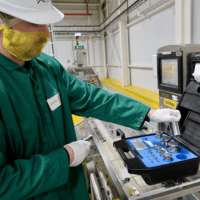
  2. Weighing: As the production process starts, the batch weighing system measures the exact quantities of each ingredient. This can involve loading materials onto scales, conveyor belt weighers, or other types of weighing equipment. The system ensures that the correct weight of each ingredient is added to the batch based on the specified recipe.
  3. Mixing or Processing: Once all the ingredients are accurately weighed, they are mixed or processed according to the production process requirements. The accuracy of the batch weighing system contributes to consistent product quality.
  4. Control and Automation: Many batch weighing systems are integrated with automation and control systems. These systems can automate the process of adding ingredients based on the recipe, reducing the chance of human error and speeding up the production process.
  5. Data Logging and Reporting: Batch weighing systems often have data logging and reporting features that record the weights of each ingredient used in each batch. This data can be used for quality control, traceability, and process improvement.