



Process Weighing Solutions
Accurate, reliable weighing built into your production process
When weighing is part of the process (not an afterthought), everything improves: batch weighing accuracy, consistency, throughput, traceability, stock control and compliance.
At MWS, we deliver process weighing systems that help manufacturers run tighter operations with fewer surprises. From silo and tank weighing to batching, filling and dosing control, we engineer systems that produce stable, trustworthy results in real production environments, not just in ideal conditions.
If your operation depends on repeatability and control, we’ll help you remove uncertainty and turn weighing into a measurable advantage

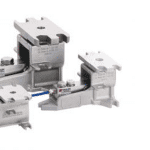
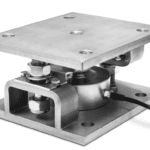

Process weighing solutions we deliver for our customer
Every plant is different, so we design around your product, your environment and your controls. Typical solutions include:
Silo, tank and vessel weighing
Continuous weight monitoring provides accurate level-by-weight measurement and better control over replenishment, consumption and production planning. This includes raw material storage silos, mixing and blending tanks, reactors and process vessels, intermediate storage hoppers, and tank farms and bulk liquids.
Hopper & vessel batching systems
For operations that depend on correct ingredient proportions, we engineer batch weighing into the vessel and integrate it into the batch sequence, from straightforward manual confirmation through to fully automated recipe control. This includes: batching, blending and mixing; recipe formulation and repeatability; multi-stage or multi-vessel batching; and manual, semi-auto or fully automated workflows.
Filling, decanting & dispensing by weight
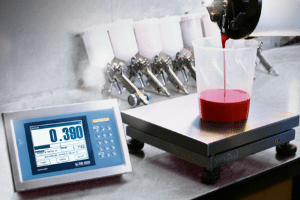
Weight-controlled filling reduces overfill and improves consistency — especially when handling high-value, regulated or variable-density product. This includes IBC and drum filling, bagging and bulk discharge, and controlled decanting into downstream processes.
Loss-in-weight & gain-in-weight control
When feed rate control matters, weighing becomes the feedback loop. We support systems where the process needs continuous dosing based on live weight change including Gain-in-weight (control filling based on weight increasing) and Loss-in-weight (control dosing based on weight decreasing).
Retrofits, upgrades & troubleshooting your load cell system
Not every project starts from scratch. If an existing installation is unreliable, slow, or unsupported, MWS can help you:
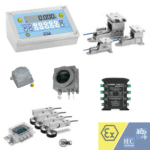
- Replace obsolete indicators, junction boxes, cabling and electronics
- Upgrade load cells and mounting hardware
- Stabilise readings affected by vibration, pipework forces or structural behaviour
- Improve filtering, response time and control performance
- Recommission the system and prove performance under real operating conditions
Load cell installation
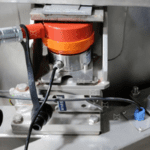
Performance of load cells depends on how the load is introduced, how the vessel moves, and what external forces are present. That’s why MWS takes an engineering-led approach to load cell projects, considering:
- Correct load cell type and capacity selection
- Correct mounting arrangement to manage movement and side-load
- Vibration, thermal expansion, pipework forces and mechanical constraints
- Signal integrity (cabling, junctioning, shielding and earthing)
- Environmental protection for washdown, dust, chemicals and temperature extremes
The result: a weighing system that remains stable in day-to-day production.
Data integration
MWS can help you connect weighing data into the systems that run your operation so you can act on it in real time, including:
- PLC integration and process control interfaces
- SCADA connectivity and operator displays
- Alarm limits, interlocks and control sequences
- Data logging, reporting and traceability support
- Interfaces for production systems and site reporting (where required)
If you want dependable automation, you need dependable measurement — and we’ll help you achieve both.
How MWS delivers process weighing projects
We make it easy to move from uncertainty to confidence — with a clear, engineering-led delivery approach:
- Consultation & site understanding — materials, process flow, performance needs and constraints.
- System design & specification — load cells, mounts, electronics and integration approach selected for your process.
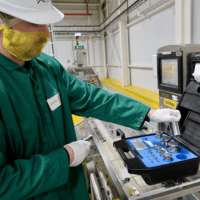
- Installation & commissioning — installed correctly, tested thoroughly, built for maintainability.
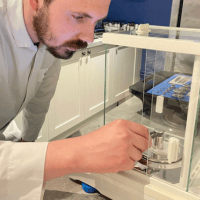
- Calibration & verification — performance proven to the level your operation needs.
- Ongoing support — planned maintenance, fault response, upgrades and optimisation as your process evolves.
When you choose MWS, you’re choosing a partner who understands that your weighing system has to perform under real production pressure.
Ready to improve accuracy, reduce waste and take control?
Whether you’re planning a new installation, upgrading an existing system, or troubleshooting unreliable readings, we’ll help you move forward with confidence.
Enquire today to arrange a consultation, site survey or technical discussion.
FAQs
Can MWS help with process weighing in hazardous areas?
Absolutely! Many process weighing applications operate in harsh conditions including hygiene-sensitive production, corrosive atmospheres, dusty plants, high-temperature zones, or hazardous areas.
MWS can specify suitable equipment, protection methods and installation practices to suit your environment, including support for hazardous-area aligned solutions where required.
What industries use process weighing?
Process weighing is essential anywhere accuracy, consistency and control impact cost, quality or compliance. MWS supports process weighing across sectors including:
- Food & beverage (mixing, batching, ingredient control, filling)
- Pharmaceutical and healthcare (controlled dosing, traceability, repeatability)
- Chemicals and process manufacturing (robust systems for demanding environments)
- Paints, coatings, inks and adhesives (recipe accuracy and consistency)
- Plastics and polymers (feed control, blending and material accountability)
- Bulk materials (powders, granulates, aggregates and minerals)
- Waste and recycling (verification, batching and material tracking)
If your process depends on material going in, out or through — process weighing gives you control you can trust.
What is process weighing?
Process weighing is the use of load cells, weighing modules and control electronics to measure material directly within manufacturing equipment — such as tanks, silos, vessels, hoppers, platforms and frames — and use that data to control the process.
Instead of manual checks or disconnected scales, process weighing enables:
- Automated filling, dosing and batching
- Repeatable recipes and consistent blends
- Real-time stock visibility in vessels, silos and hoppers
- Less giveaway, waste and rework
- Better traceability and reporting
- Faster cycle times and fewer stoppages
Put simply: it’s how modern plants weigh smarter, reduce risk, and maintain control.
Can you integrate weighing into our PLC or control system?
Yes, integration is a core part of process weighing. We can support the interface approach and ensure weight data is stable, correctly filtered and meaningful for your process control.
We have interfaces available that cover every type of PLC, DMS or SCADA interface, rest assured we have the right interface for load cells that will work seamlessly with your existing process solution.
How often should process weighing be calibrated?
That depends on your risk profile, product value, compliance requirements and production intensity. We can recommend a schedule that matches your QA needs and operational realities, typically this ranges from annually to every 6 months, the frequency can be tailored as described.
Do you support ATEX/hazardous area process weighing?
Yes. Where the environment requires it, we can support specification of ATEX-rated weighing equipment and accessories as part of the overall system solution, working hand in hand with your E&I engineers to ensure you get the perfect weighing solution.
What’s the difference between loss-in-weight and gain-in-weight?
Gain-in-weight controls filling based on weight increasing (e.g., filling a vessel to a target). Loss-in-weight controls dosing based on weight decreasing (e.g., controlled feed rate out of a hopper). Both rely on stable, responsive weighing signals.
Can you retrofit load cells to an existing vessel or silo?
Yes, many projects are upgrades or retrofits to existing systems. We can assess the structure, supports and constraints, then recommend the best-fit load cell and mounting approach. MWS can design and provide the fabricated parts required to install load cell mounts into new or existing vessel structures.
How accurate are process weighing systems?
Accuracy depends on the application, vessel mechanics, mounting design and the process environment. The best results come from correct load cell selection, correct installation, and calibration appropriate to how the equipment is used day-to-day.