Understanding the Common Types of Pressure Calibration
Pressure calibration keeps things running safely and accurately across industries like food production, chemical processing, pharmaceuticals and logistics. If you’re relying on pressure measurement or control, your equipment needs to be spot on. When readings drift off course, you end up with wasted product, unexpected downtime, or worse: conditions that put people at risk.
Let’s walk through the most common types of pressure calibration and why each one matters for keeping operations reliable and compliant.
Pressure Gauge Calibration
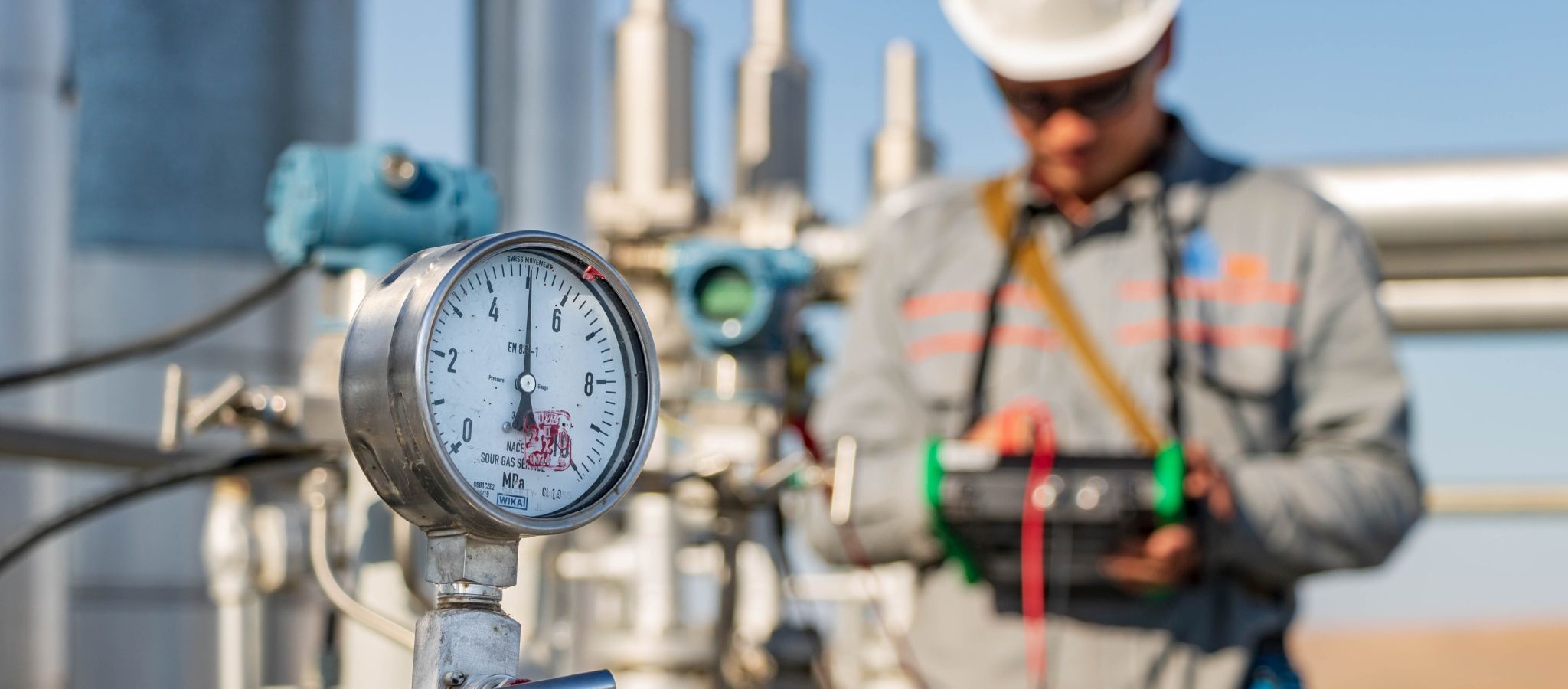
Pressure gauges are everywhere. Analogue or digital, they’re the go-to tools for measuring pressure in most industrial settings. But they don’t stay accurate forever. Mechanical wear, vibration, temperature swings, or even a good knock can throw them off.
Regular calibration sorts that out. A pressure calibrator generates a known, controlled pressure, and the gauge is checked at several points across its range to make sure it’s reading true. At MWS, we calibrate gauges from –1 to 100 bar, which covers the vast majority of what you’ll find on a typical site.
Why does this matter? Operators are making real-time decisions based on what they see. If the gauge is lying to them, even slightly, it affects product quality, process efficiency and safety. Routine calibration means your team can actually trust the numbers they’re working with.
Pressure Switch Calibration
Pressure switches don’t measure. They act. When pressure hits a certain level, they trigger something: start a pump, sound an alarm, shut down a system. They’re often the first line of defence when things start heading in the wrong direction.
Calibration involves applying pressure slowly using a calibrator while a measurement device watches for the exact point the switch trips. That set point gets compared to what it should be, and adjustments are made if needed.
Because these devices often stand between normal operation and equipment failure, getting the activation point right is critical. A small drift here can mean the difference between safe shutdown and serious damage.
Pressure Transmitter/Transducer Calibration
These devices convert pressure into an electrical signal, usually 4–20 mA, which feeds into control systems that adjust processes automatically. Accuracy isn’t optional when you’re relying on real-time data to keep things running smoothly.
One useful feature of transmitter calibration is that it can happen even when the site is powered down. The loop function on a calibrator supplies power directly to the transmitter, so a technician can apply pressure and check the output signal without needing anything else switched on.
During calibration, pressure is applied in steps across the full range while the mA output is measured for accuracy. This confirms the device performs reliably at any point in its range, cutting the risk of drift, control errors or unexpected stops.
Pressure Relief Valve Calibration
Relief valves are the last-ditch safety device. When pressure climbs too high, they pop open and vent before things get dangerous. Factories, boilers, pipelines, chemical plants: they all depend on these valves being set correctly.
To calibrate one, you apply pressure directly using a calibrator in peak-reading mode. When the valve opens, the exact activation pressure is captured and compared against the rated relief pressure. It either meets the standard or it doesn’t.
Given the role they play, this is one of the most important pressure checks you can do on-site.
Choosing a Pressure Calibration Partner
Every piece of pressure equipment, from basic gauges to sophisticated transmitters, needs accurate calibration to keep operations safe, efficient and compliant. Regular checks prevent downtime, cut waste, tighten process control and protect both people and equipment.
If your site depends on pressure measurement or control, MWS offers a full range of calibration services delivered by trained engineers using high-accuracy equipment. To learn more or book your next calibration, get in touch with the team.