





Pharmaceutical Industry 8 – 14 June: Ft Johnson & Johnson’s and CSL
- Johnson & Johnson’s nipocalimab met the primary endpoint in the phase 2 JASMINE study involving adults with moderate-to-severe systemic lupus erythematosus.
- CSL has secured European Commission marketing authorisation for Privigen as a measles prophylaxis option for vulnerable people who cannot be vaccinated.
Two Important Developments in Immunology
Johnson & Johnson and CSL have announced significant developments across two distinct areas of immunology, with one company advancing a targeted treatment for systemic lupus erythematosus and the other expanding the use of an established human immunoglobulin therapy to help protect vulnerable people from measles.
Johnson & Johnson has reported late-breaking phase 2 results showing that nipocalimab reduced disease activity in adults living with moderate-to-severe systemic lupus erythematosus, commonly known as SLE.
The investigational therapy met the primary endpoint of the JASMINE study at week 24, with improvements continuing through week 52.
Meanwhile, CSL has received European Commission marketing authorisation for Privigen for pre- and post-exposure measles prophylaxis in circumstances where vaccination is contraindicated or not recommended.
Together, the announcements illustrate the breadth of modern immunology research, stretching from highly targeted intervention in chronic autoimmune disease to passive antibody protection against an infectious illness that continues to present a serious public health concern.
Nipocalimab Meets the JASMINE Study’s Primary Endpoint
Johnson & Johnson said nipocalimab met the JASMINE study’s primary endpoint by decreasing lupus disease activity at 24 weeks, as measured by the SRI-4b response criteria.
At week 24, 53.5% of patients receiving nipocalimab at a dose of 15 mg/kg achieved an SRI-4b response, compared with 46.7% of patients receiving a placebo.
The difference became more pronounced by week 52. At that stage, 53.6% of patients treated with nipocalimab achieved an SRI-4b response, compared with 39.7% in the placebo group.
More patients receiving nipocalimab also achieved Lupus Low Disease Activity State, or LLDAS, by week 52. This measure is used to assess whether a person’s lupus has been brought under a lower and more manageable level of activity.
The company stated that the reductions in disease activity were sustained through week 52 when assessed using both SRI-4b and LLDAS measures.
Stronger Responses Among Autoantibody-Positive Patients
Johnson & Johnson reported that greater responses were observed in participants who tested positive for lupus-associated autoantibodies. This group is estimated to represent approximately 80% of people living with SLE.
This finding is especially relevant because systemic lupus erythematosus is driven in part by the immune system mistakenly producing antibodies that attack the body’s own tissues. These autoantibodies can contribute to chronic inflammation and may affect the skin, joints, kidneys, blood vessels and other organs.
Nipocalimab has been designed to selectively block the neonatal Fc receptor, known as FcRn. By blocking this receptor, the therapy aims to reduce circulating pathogenic immunoglobulin G, or IgG, autoantibodies and the immune complexes associated with inflammatory activity.
Johnson & Johnson described JASMINE as the first clinical study to demonstrate the efficacy of FcRn blockade in SLE. The company believes the findings provide evidence supporting the continued clinical investigation of nipocalimab as a targeted therapeutic approach.
Addressing the Long-Term Burden of Lupus
Systemic lupus erythematosus is a complex autoimmune disease that can vary significantly between patients. Symptoms may fluctuate over time, with periods of increased disease activity potentially contributing to progressive and irreversible organ damage.
Many people with moderate-to-severe SLE continue to experience disease activity despite receiving existing treatments. This creates an ongoing need for therapies capable of delivering more consistent disease control without introducing unacceptable safety concerns.
The Chief of the Division of Rheumatology at Northwell said the consistent improvements observed across recognised disease activity measures, together with reductions in pathogenic IgG autoantibodies, were encouraging.
They added that the findings support further investigation of nipocalimab as a targeted treatment for people living with SLE and suggest that the therapy may have the potential to provide disease control over time for a broad population of autoantibody-positive adults.
Johnson & Johnson also reported that nipocalimab’s safety profile was consistent with previous clinical studies, with no new safety signals identified during JASMINE.
The company’s Therapeutic Area Head for Immunology in Europe, the Middle East and Africa described the findings as an important step in advancing research into SLE, emphasising the profound impact that moderate-to-severe disease can have on patients’ everyday lives.
CSL Secures European Authorisation for Privigen
In a separate pharmaceutical industry development, CSL has received European Commission marketing authorisation for Privigen as a measles prophylaxis option.
The human immunoglobulin therapy is now indicated for both pre-exposure and post-exposure prophylaxis to prevent measles or reduce the risk of infection in situations where vaccination is contraindicated or not recommended.
The approval has arrived during a marked resurgence of measles across Europe.
Health authorities, including the European Centre for Disease Prevention and Control, recorded a sharp rise in infections during 2024. Case levels remained elevated during 2025, at approximately twice those reported in 2023.
Vaccination remains the most effective method of preventing measles. However, not everybody can safely receive a vaccine, and some individuals may need rapid passive protection following known or suspected exposure to the virus.
The Head of Global Regulatory Affairs and Safety at CSL said the continuing outbreaks demonstrate the urgent need for additional protective tools. They explained that the European authorisation provides clinicians with access to an immunoglobulin option in cases where passive antibody protection may be appropriate.
Protection for High-Risk and Vulnerable Individuals
Privigen is a ready-to-use human immunoglobulin product manufactured from screened donor plasma. It contains concentrated antibodies that may help neutralise the measles virus following exposure.
The therapy is intended for susceptible people considered to be at higher risk of serious illness and who cannot depend on active immunisation.
Potential recipients include immunocompromised patients, pregnant women without evidence of measles immunity, infants and other vulnerable contacts for whom vaccination is unsuitable or not recommended.
Unlike vaccination, which stimulates the recipient’s immune system to develop its own longer-term immune response, immunoglobulin therapy provides antibodies directly. This can offer passive protection and may be particularly valuable when protection is required quickly following exposure.
CSL stated that the European approval was supported by clinical and real-world evidence demonstrating Privigen’s safety and efficacy in preventing measles and protecting high-risk patients.
The company also highlighted the therapy’s established safety profile, supported by long-term clinical use and real-world experience.
A Long-Established Immunoglobulin Therapy
Privigen was first approved in the United States in 2007 and has since become available in more than 60 countries.
It is described as the first and only 10% ready-to-use human liquid intravenous immunoglobulin stabilised with proline.
In Europe, Privigen is already authorised as an immunoglobulin replacement therapy for primary and secondary immunodeficiencies. It is also used for immunomodulatory purposes across several rare neurological and inflammatory conditions.
The latest authorisation therefore expands the clinical role of an established therapy rather than introducing an entirely new medicinal product. However, the approval remains significant because it formally provides another potential line of protection during a period of increased measles transmission.
Impact on Pharmaceutical Manufacturing and Production
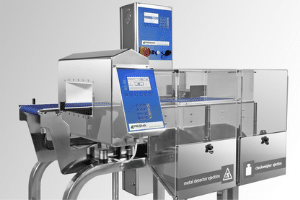
The developments involving nipocalimab and Privigen carry important implications for pharmaceutical manufacturing and pharmaceutical production.
Should nipocalimab progress successfully through further clinical development and regulatory review, its production would require the highly controlled manufacture of a complex biologic therapy.
This involves advanced cell-based production systems, precise purification processes, strict cold-chain controls and extensive analytical testing to ensure consistency, potency and safety between batches.
The JASMINE findings may therefore encourage Johnson & Johnson and its manufacturing partners to prepare for larger clinical programmes and, eventually, potential commercial-scale production.
Scaling a targeted antibody therapy demands substantial investment in specialist biologics facilities, quality assurance systems and reliable access to raw materials.
Privigen presents a different manufacturing challenge. As a plasma-derived product, its production depends on a stable supply of screened human plasma and rigorous systems for donor selection, pathogen testing, fractionation, purification and product traceability.
Any increase in demand for immunoglobulin following the European measles authorisation could place additional pressure on an already valuable and carefully managed plasma supply chain.
Manufacturers will need to balance the expanded prophylactic use of Privigen with its established use in immunodeficiencies and rare inflammatory or neurological disorders.
Both developments demonstrate why flexibility is becoming increasingly important across pharmaceutical production. Manufacturers must be capable of supporting investigational biologics, responding to infectious disease resurgences and maintaining supplies of established therapies for patients with long-term clinical needs.
Antibody-Based Medicine Continues to Expand
Although nipocalimab and Privigen have been developed for very different clinical situations, both rely on the therapeutic potential of antibodies.
Nipocalimab seeks to reduce harmful IgG autoantibodies by interfering with the biological pathway that helps them remain in circulation. Privigen, by contrast, supplies protective antibodies directly to individuals who may be unable to generate adequate protection through vaccination.
The two developments therefore represent different sides of antibody-based medicine: reducing damaging immune activity in autoimmune disease while supplying beneficial immune protection against infectious disease.
This reflects a wider direction of travel within the pharmaceutical industry, where increasingly sophisticated knowledge of immune pathways is being translated into more precisely designed interventions.
Conclusion
Johnson & Johnson’s phase 2 JASMINE results and CSL’s European authorisation for Privigen represent meaningful progress across autoimmune disease research and infectious disease prevention.
Nipocalimab met the JASMINE study’s primary endpoint at week 24 and continued to demonstrate reductions in lupus disease activity through week 52.
The responses observed among autoantibody-positive patients, combined with a safety profile consistent with previous studies, provide a foundation for its continued investigation as a targeted treatment for moderate-to-severe SLE.
CSL’s expanded Privigen authorisation gives European clinicians an additional option for protecting vulnerable people from measles when vaccination cannot be used or is not recommended. Its approval is particularly timely given the resurgence of measles cases and the continuing need to protect immunocompromised patients, pregnant women, infants and other high-risk individuals.
Neither announcement marks the end of the scientific or operational journey. Nipocalimab will require further clinical evaluation, while CSL and the wider plasma products sector must ensure that immunoglobulin supply can meet evolving clinical demand.
Nevertheless, both developments highlight how pharmaceutical innovation can respond to very different healthcare challenges.
Whether controlling a complex chronic autoimmune disease or providing rapid protection during an infectious disease outbreak, carefully developed antibody therapies are becoming an increasingly important part of modern medicine.
News Credits:
Johnson & Johnson reports phase 2 data showing nipocalimab reduced SLE disease activity
European approval enables measles protection with CSL’s immunoglobulin Privigen
Things you may also like: