Local Phone: 0845 260 2602
Our mobile weighing solutions are designed and manufactured by Micro Weighing Solutions here in Leicester. They can be tailored with a range of options such as sizes, heights, materials and with ATEX options.
If you are unsure about which mobile scale is right for your application, speak to one of our weighing specialists for a no-obligation consultation.
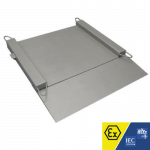
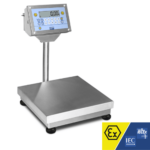
The LPBS is a stainless steel mobile scale designed to be used to weigh barrels and drums up to 300kg. ATEX rated options for safety in hazardous areas.
The MDX is a portable trolley scale with rear stand for a variety of terminals and battery brackets.
The FLPS is a range of portable IBC scales designed and manufactured in Leicester, ideal for weighing IBC containers in various locations.
The FLTS features in built fork lift guides for lifting and moving around your site.
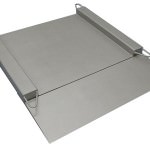
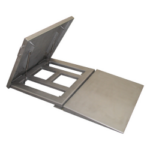
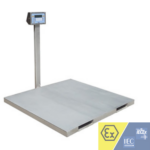
The MBS is a mild steel mobile weighing scale with integral ramp, designed for use where scales need to be constantly moved around with ease.
The MBW is a UK manufactured mobile weighing scale, ideal for weighing drums of chemicals in harsh environments.
A load receptor in the context of mobile scales is the mechanical structure that accepts and transfers the applied load to the weighing sensors while allowing the entire weighing system to remain portable, stable, and reliable.
In mobile weighing, the load receptor must manage unique mechanical challenges. Unlike static industrial platforms, mobile receptors are subject to dynamic forces: rolling, tilting, vibration, and sudden impacts. To ensure consistent performance, they are designed to distribute weight evenly across integrated load cells, preventing twisting or side-loading that can lead to measurement errors. Many mobile load receptors incorporate shock-absorbing elements, reinforced frames, and protective housings around the load cells to guard against knocks, drops, and heavy handling typical in operational environments such as warehouses and distribution centres.
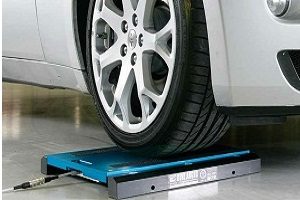
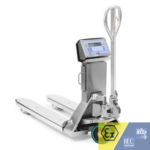
Materials such as robust steel or lightweight but rigid alloys are commonly used to maximise durability while keeping the equipment manoeuvrable. The geometry of the receptor—whether a fork design on a pallet truck scale or low-profile pads on a wheel or axle scale—is optimised so weight is transferred cleanly and predictably into the sensing elements during use.
Ultimately, the load receptor in a mobile scale is what allows accurate weighing to be integrated seamlessly into handling processes. By ensuring stable, repeatable force transmission even during movement, it enables operators to weigh goods efficiently without interrupting workflow, reducing handling time and increasing productivity.