




Scales for the Transport & Logistics Industry
MWS has been manufacturing and supplying transport and logistics companies with weighing solutions for a number of years. Over this time the product portfolio has grown significantly, from platform scales through to dynamic axle weighbridges used by some of the largest hauliers in the United Kingdom.
Working alongside experienced OEM partners, MWS provides a full spectrum of products such as conveyors, dimensioning systems, automatic labelling scanners and barcode label appliers.
Scale Calibration Services
Typically clients operating in the transport and logistics industry face equipment that is a single point of failure; as a supplier of services we recognise the value in a first fix support package.
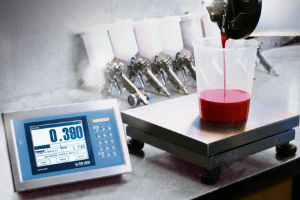
We provide a range of solutions for the transport and logistics industry from small simple weighing projects through to large scale process weighing systems with batch process control.
As part of the supply of product, we provide a number of value-added services to ensure full safety and legal compliance with standards. These services include traceable calibration, preventative maintenance and breakdown support, all of which have been a mainstay of the MWS business since 2005 and ensures optimum performance and minimal downtime.
Weighing Projects Supported by MWS
Large projects, such as the supply of 10,000kg Cargo Scales with integral castors into regional UK airports’ freight providers, are well within the remit and capability of the MWS team, having recently undertaken the manufacture of a turnkey product build for a global weighing company.
Other weighing equipment available from MWS includes Pallet Weighing Scales, notably Pallet Truck Scales, Portable Weigh Beams and Large Platform Scales.
We also work with partners involved in the development of logistics equipment that require an element of weighing, and can integrate with products that use weighing such as automatic conveying scales through to integration with Dimensioning Weighing solutions. This work is done with our partner Acrovision who use well known and supported products to ensure maximum uptime in a demanding environment that requires robust equipment.
At MWS we have years of experience in providing weighing automation for logistics integration. Contact the knowledgeable team today to seek guidance on your next project.
FAQs
What is gauss calibration for magnets?
Gauss calibration measures the magnetic field strength of rods, plate, grates and sieve magnets using a certified gauss meter to confirm they meet required performance levels.
Why is magnetic strength testing important in food production?
It helps ensure metal contaminants are effectively removed and provides documented evidence for food safety audits and quality assurance procedures.
What types of magnets does MWS test?
We test magnetic rods, plate magnets, grate magnets, sieve magnets and other magnetic assemblies used within food processing environments.
Which standards do you follow when calibrating magnets?
Testing is carried out in line with relevant parts of HACCP 0909MAGSEP 1-2010 International Food Safety Standard to support compliance and traceability.
How is magnet strength measured?
Our engineers use a certified gauss meter to record the magnetic field strength at specified points on the magnet assembly.
Do you provide documentation for audit purposes?
Yes! We supply a detailed report showing required strength, actual readings, pass or fail status, condition assessment and accompanying photographs.
What gauss strength should food industry magnets have?
This depends on the application. Ferrite magnets are typically 1500 to 2000 gauss, while rare earth magnets can reach up to 12000 gauss. Some products, such as flour with iron additives, may require lower strengths.
How often should magnets be tested?
Testing frequency depends on your HACCP plan and risk assessment, but regular scheduled checks are recommended to maintain compliance.
Can you provide proof that your gauss meter is calibrated?
Yes! Our gauss meter is calibrated annually, and we can provide a copy of the calibration certificate on request.
How is magnet calibration priced?
We charge on a half-day or full-day basis, depending on the number of magnets to be tested and the site location.
If you have other equipment that requires calibrating such as weighing scales or temperature probes, for example, we can often work provide a discounted rate. Speak to our team who can advise.
What is pressure calibration and why is it important for industrial equipment?
Pressure calibration checks that an instrument is reading accurately by comparing it against a known reference. Over time, pressure devices can drift due to wear, vibration or temperature changes. Regular calibration helps maintain safety, product quality and reliable process control.
What pressure range can MWS calibrate?
We calibrate pressure equipment from –0.95 to 100 bar g, using pneumatic test systems covering –95 kPa to 10 MPa. This range supports most industrial and process applications.
What types of pressure instruments does MWS calibrate?
Our service covers analogue and digital pressure gauges, vacuum gauges, pressure switches, transmitters, transducers, controllers, relief valves, leak testers and burst testers.
Do you calibrate both analogue and digital pressure gauges?
Yes. Analogue gauges are calibrated in accordance with BS EN 837:1996. Digital gauges are calibrated to the manufacturer’s specification and instructions to ensure they perform within stated tolerances.
Are pressure switches and transmitters included in your calibration service?
Yes indeed! Pressure switches are checked for correct activation points, while transmitters and transducers are tested across their full range, typically verifying the 4–20 mA output signal.
Can MWS calibrate pressure relief valves and other safety devices?
Yes. Relief valves are tested to confirm the exact opening pressure matches the rated setting. We also calibrate pressure-related safety and test devices such as leak testers and burst testers.
What standards are followed during pressure gauge calibration?
Analogue pressure gauges are calibrated to BS EN 837:1996. Digital instruments are calibrated to the relevant manufacturer’s specifications and documented procedures.
Is on-site pressure calibration available?
On-site calibration is available for many types of pressure equipment, helping reduce downtime and disruption. Workshop calibration can also be arranged where appropriate.
How often should pressure equipment be calibrated?
Calibration frequency depends on usage, environment and any regulatory requirements. Many businesses schedule annual calibration, though higher-risk or critical applications may require more frequent checks.
Can you calibrate other types of test, measurement and process equipment?
We sure can! MWS provides calibration services for weighing and non-weighing equipment such as temperature, pressure, magnets, metal detectors, humidity, salt analysers, Milliamp and voltage loop measurement, pH and conductivity meters, and more!
Will I receive a calibration certificate after the service?
Yes – following calibration, you will receive clear documentation detailing the results, reference standards used and confirmation of performance against the required specification.
What is temperature calibration and why is it important for regulated industries?
Temperature calibration is all about making sure that your thermometer, probe, or temperature system is spot on by comparing it to a known reference. This process is crucial for industries that are heavily regulated, like food production, pharmaceuticals, and laboratories, where keeping an eye on temperature can make or break product quality, safety, and compliance. By regularly calibrating, you can trust that your readings are accurate, meet audit standards, and minimise the chances of losing products due to temperature mishaps.
What types of temperature sensors can MWS calibrate on site?
MWS can calibrate a variety of sensors and instruments, including PT100 and PT1000 sensors, thermistors, and thermocouples like Type K, J, N, T, R, and S.
Our services extend to handheld thermometers, temperature transmitters, indicators, chart recorders, controllers, and HMI displays, plus complete systems that are set up on ovens, fridges, freezers, and other process equipment.
What is the difference between temperature simulation and full loop temperature calibration?
Temperature simulation is when we create a known electrical signal to mimic a specific probe. This helps us check that the chart recorder, controller, or HMI is set up correctly and showing accurate values.
On the other hand, full loop calibration takes a deeper dive, testing the entire measurement chain, from the physical probe all the way to the indicator or display. This ensures that every component of the system is working in harmony and that the temperature reading truly reflects what’s being measured.
What temperature range can MWS calibrate?
For our probes and readouts, we calibrate temperatures from -25°C to 660°C using dry temperature blocks, which can also be adapted for liquid baths, perfect for hygiene probes.
When it comes to temperature mapping applications, our probes can handle a broader range from -40°C to 1200°C. This flexibility allows us to support everything from cold storage to high-temperature industrial processes.
Do you provide temperature mapping for ovens, fridges and environmental chambers?
Absolutely! We conduct temperature mapping for controlled environments like ovens, environmental chambers, fridges, and freezers.
Using nine calibrated probes strategically placed throughout the area, we monitor the temperature over a set period to evaluate gradients and stability. The results provide clear evidence that the environment meets your specified limits and operates consistently.
Are MWS temperature calibrations traceable to national standards?
All our temperature calibrations are traceable to national standards and comply with the International Temperature Scale of 1990 (ITS-90).
For thermocouple calibration, we follow BS EN 60584-1:2013, ensuring that we adhere to recognised standards and documented procedures.
Can MWS carry out temperature calibration alongside weighing equipment calibration during the same visit?
Absolutely! MWS is fully accredited to calibrate a wide range of weighing equipment, from precision balances up to industrial bench scales and weigh bridges, as well as a range of test, measurement and process equipment.
Thanks to our team of multiskilled engineers, we can often tackle both types of calibration during the same visit. This not only minimises disruption at your site but also streamlines your calibration program.
How often should temperature instruments be calibrated?
The frequency of calibration really depends on the specific application, how critical the process is, and any regulatory or quality system requirements you might have.
Many organisations opt for annual calibration as a baseline, but if you’re dealing with higher-risk or frequently used systems, you might need to check them more often. We can take a look at your process and recommend a suitable calibration interval based on practical risks and compliance needs.
Do you provide UKAS-accredited temperature calibration certificates?
We provide calibration certificates that are traceable to UKAS.
Our procedures are conducted within a UKAS ISO/IEC 17025:2017 accredited quality system, ensuring that all calibrations are performed using controlled methods and well-documented processes.
If you require UKAS calibration, speak to our team who can advise you.
What is metal detector calibration and why is it important?
Metal detector calibration is the process of checking that your inspection system is detecting metal contaminants at the correct sensitivity levels set by the manufacturer. Over time, performance can drift due to wear, environmental factors or product changes. Regular calibration helps ensure product safety, audit compliance and protection of your brand.
How often should a food metal detector be calibrated?
Calibration frequency depends on your production risk assessment, retailer requirements and audit standards such as BRCGS. Many food manufacturers schedule formal calibration annually, alongside routine in-house performance checks. MWS can advise on a suitable schedule based on your operation.
What standards does MWS follow for metal detector calibration?
Our service supports compliance with recognised food safety and GMP standards, including BRCGS and EFSIS requirements. We also work in line with manufacturer specifications to ensure the equipment operates within its designed parameters.
What are traceable test sticks and why are they used?
Traceable test sticks contain certified samples of ferrous, non-ferrous and stainless steel. They are used to verify that your metal detector can identify different types of contamination at specified sizes. Because the test pieces are traceable, you have documented evidence for audits and inspections.
What is included in an MWS metal detector calibration visit?
During a visit, our engineer checks that the system is functioning correctly and tests it using certified test pieces. We confirm sensitivity levels, review reject mechanisms and ensure the detector is operating as intended. Once complete, we issue a calibration certificate for your records.
What is performance validation and how does it differ from calibration?
Calibration confirms that the equipment meets the manufacturer’s settings. Performance validation goes further by verifying that the system consistently detects agreed test pieces under real production conditions. This is often required by major retailers and forms part of ongoing compliance programmes.
Do supermarkets and food retailers require metal detector performance certification?
In most cases, yes. Many major supermarkets require documented proof of metal detection performance as part of their supplier approval process. Certification also supports compliance with BRCGS and GMP standards, which are widely expected across the food industry.
Can MWS provide metal detection training for our operators?
Yes. We deliver on-site training tailored to your team and equipment. This can cover the principles of metal detection, common faults, retailer codes of practice, product set-up and routine performance testing. Well-trained operators are key to maintaining consistent standards between formal calibration visits.
What types of metal detection systems can MWS support?
We can arrange calibration and validation for a wide range of industrial metal detection systems used in food production and packaging environments. If you are unsure whether your system is covered, speak to our team and we will advise.
How do I arrange metal detector calibration or validation with MWS?
Simply contact our team with details of your site and equipment. We will agree a suitable schedule, arrange a visit at a convenient time and provide the certification you need for compliance and audit purposes.
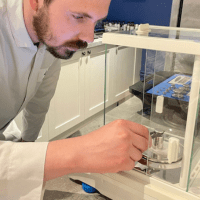
What is laboratory balance calibration and why is it important?
Laboratory balance calibration is all about making sure that your balance is measuring weight accurately. This involves checking and adjusting the balance using known reference weights to confirm its performance across its entire operating range.
Getting this calibration right is crucial for reliable results. In a lab, even tiny measurement errors can have a big impact on product quality, research findings, or compliance with regulations. By regularly calibrating your equipment, you maintain traceability, support your quality systems, and minimise the chances of expensive rework or failed audits.
How often should a laboratory balance be calibrated?
The frequency of calibration really depends on how you’re using the balance, the environment it’s in, and any regulatory standards you need to follow. Many labs stick to an annual calibration as a baseline.
However, if your equipment is in daily use, especially for critical measurements or in regulated industries, you might need to calibrate it more often. We can help you figure out a calibration schedule that fits your specific application and quality standards.
What is the difference between internal and external calibration on a lab balance?
Internal calibration uses a built-in reference weight inside the balance, allowing it to self-adjust, often with just a button press. This is handy for routine checks and compensating for minor temperature fluctuations.
On the other hand, external calibration involves certified test weights that a technician applies. This method provides independent verification of the balance’s performance and is usually necessary for traceable calibration and formal certification.
Does MWS provide UKAS-traceable calibration certificates for laboratory balances?
Absolutely! We provide calibration certificates that are traceable to national standards, which are available for download within 24 hours of calibration via your own dedicated online portal.
These certificates detail the results we obtain, the equipment we use, and the entire traceability chain. This documentation is essential for meeting audit requirements and supporting quality management systems like ISO 9001.
Can MWS calibrate balances used in regulated environments such as pharmaceutical or food laboratories?
Yes, we frequently calibrate balances used in pharmaceutical, food, chemical, and research laboratories. Our engineers are well-versed in the documentation and traceability requirements specific to regulated environments.
We can carry out work according to your internal procedures, ensuring that all records are clear and ready for inspection.
What types and capacities of laboratory balances can MWS calibrate?
We calibrate a diverse range of laboratory weighing equipment, from analytical balances with high precision to precision balances that handle larger capacities.
Whether you need to measure milligram-level samples or larger weights, we have the certified test weights and procedures necessary to ensure accurate performance verification.
Is on-site laboratory balance calibration available?
Absolutely! MWS has a dedicated team of field service engineers with decades of experience who can travel to your site to carry out the calibrations.
On-site calibration is not only available but often the most convenient choice for lab settings. It minimises downtime and eliminates the risks that come with moving delicate equipment around.
If needed, balances can also be sent back to our facility for calibration and servicing. We’ll guide you on the best approach tailored to your specific needs.
How does temperature and environment affect laboratory balance calibration?
Laboratory balances are quite sensitive. Fluctuations in temperature, air flow, vibrations, and humidity can all affect their readings.
That’s why it’s crucial to perform calibration in stable conditions. Balances should be kept away from drafts, direct sunlight, and heavy machinery. Keeping the environment controlled helps maintain accuracy between service intervals.
What standards and procedures are followed during laboratory balance calibration?
Calibration is conducted using certified reference weights that are traceable to national standards. We take measurements at specific points across the balance’s capacity to evaluate accuracy and consistency.
Our procedures align with recognised metrological principles and can be integrated with your internal quality system requirements. All results are documented in a clear and organised certificate.
How much does it cost to calibrate a lab balance?
When it comes to calibrating a lab balance, our pricing is based on the type of balance you have and the level of calibration you need. The costs can vary depending on several factors, including the balance’s capacity, readability, and whether you require traceable certification.
We pride ourselves on offering competitive and transparent pricing. Before we start, we’ll give you a detailed quote so you know exactly what’s included.
How can I arrange laboratory balance calibration or servicing with MWS?
All it takes is a list of your machines, and we’ll take care of the rest.
If you’re looking to arrange calibration or servicing for your laboratory balance with MWS, just reach out to our team via phone or email. We’ll discuss your equipment and specific needs, confirm the scope of work, provide a quote, and set up a convenient date for the calibration.
For those managing multiple balances or locations, we can also assist in creating a regular service schedule to ensure everything stays compliant and operates smoothly.
What is a weighbridge and how does it work for vehicle weighing?
A weighbridge is essentially a big scale designed to weigh entire vehicles like vans, rigid trucks, and articulated lorries. When a vehicle drives onto the platform, which is made of steel or concrete, it rests on load cells. These load cells measure the weight by detecting the force applied and then display the accurate weight on a digital indicator.
You’ll often find weighbridges in industries like logistics, waste management, agriculture, quarries, and manufacturing, where weight plays a crucial role in buying, selling, or monitoring goods. They can record gross, tare, and net weights, which helps businesses keep clear and reliable records.
They are also used to ensure vehicles are not overloaded, which can result in accidents and fines.
What’s the difference between a weigh bridge and weigh pads?
A weighbridge measures the entire vehicle at once on a single platform. It’s usually a permanent installation, making it ideal for high-traffic areas or operations that need trade-approved weighing.
On the other hand, weigh pads are smaller platforms placed under each wheel or axle. They’re often portable, allowing for easy movement between sites. Weigh pads are great for checking axle loads or for temporary setups, while a weighbridge is typically the go-to for weighing full vehicles and handling higher volumes.
What are the benefits of using a weigh bridge?
Accurate vehicle weighing is key for compliance, billing, and stock control. A weighbridge makes it easy to record incoming and outgoing loads, which helps minimise disputes and enhances traceability.
Plus, it boosts operational efficiency. Vehicles can be weighed quickly, and data can be recorded electronically, cutting down on paperwork. Over time, this leads to better load management and clearer reporting throughout the business.
What types of weighbridges does MWS supply for commercial and industrial use?
MWS has you covered with options from Dini Argeo and Giropes. We offer a variety of designs, including above-ground and pit-mounted models, tailored to fit different site conditions, access needs, and civil engineering requirements.
Our systems can weigh everything from light commercial vehicles to heavy duty articulated lorries. Depending on your site’s needs, you can choose from steel or concrete decks, trade-approved setups, and integrated software solutions.
What is the difference between above-ground and pit-mounted weighbridges?
An above-ground weighbridge is set up on top of the ground, complete with access ramps at both ends. This setup is often easier to install and works well if you have the space for ramps. Plus, it’s simpler to move if your site requirements change.
On the other hand, a pit-mounted weighbridge is level with the surrounding ground, allowing vehicles to drive on and off from any direction. This can be a real advantage in tighter spaces. The choice between the two typically hinges on traffic flow, ground conditions, and how much space you have.
Are MWS weighbridges suitable for weighing both light vehicles and large lorries?
Absolutely! Our weighbridges are built to accommodate a wide range of vehicles, from smaller commercial vans to large articulated lorries.
We select platform sizes and load capacities based on the expected vehicle weights and traffic levels, ensuring that the system fits your needs, whether you’re operating a small industrial yard or a bustling distribution centre.
Which weighbridge brands does MWS supply in the UK?
We proudly offer weighbridges from Dini Argeo and Giropes, both reputable European manufacturers known for their durable vehicle weighing systems.
These brands provide a variety of configurations and technical options, allowing us to customise the equipment to meet the specific operational and environmental needs of your site.
Can MWS weighbridges be integrated with existing software and site management systems?
Absolutely! Our weighbridges can be supplied with digital indicators and software that facilitate data capture, reporting, and seamless system integration. This means you can easily connect weight data with your site management, stock control, or accounting systems whenever needed.
By integrating these systems, you can cut down on manual data entry and enhance the accuracy of your records. We’ll take a close look at your current processes and suggest the best approach to ensure that the weighing system fits smoothly into your overall operations.
How are weighbridges installed, calibrated and maintained by MWS?
The installation process starts with a thorough site assessment to check ground conditions, access, and service needs. We work closely with you and, if needed, civil contractors to make sure the weighbridge is set up correctly and safely.
After installation, we calibrate the system to guarantee it performs accurately. We can also arrange ongoing servicing and routine calibration to keep everything running reliably and, when necessary, in line with trade regulations. Plus, we’re here to support you throughout the entire lifespan of the equipment.
What are bench scales and how are they used in industrial weighing applications?
Bench scales are compact weighing platforms designed to sit on a workbench or packing table. They are commonly used for counting, portion control, checkweighing and general weighing tasks in factories, warehouses and laboratories where accuracy and ease of use are important.
What weight capacities are available for MWS bench scales?
We’ve got you covered from light-duty to heavy-duty needs. Our compact models can handle up to 3 kg, while our larger industrial bench scales can weigh in at a hefty 300 kg, depending on the design and platform size you need.
Can MWS bench scales be supplied in stainless steel for food or pharmaceutical use?
Absolutely! We produce stainless steel bench scales specifically for hygiene-sensitive settings like food production and pharmaceutical processing. These models are designed for easy cleaning and are perfect for washdown areas.
Do you supply ATEX bench scales?
Yes, we do supply ATEX-certified bench scales that are safe for use in potentially explosive environments, ensuring that weighing in hazardous areas is both safe and compliant.
Do you supply trade-approved bench scales?
Yes – you can find trade-approved options across many of our bench scale designs, making them ideal for situations where goods are bought or sold by weight.
Do MWS bench scales come with digital weight indicators and connectivity options?
Absolutely! Our bench scales can be equipped with a variety of digital weight indicators. Plus, we offer connectivity options like USB, RS232, or Ethernet to facilitate data transfer, printing, or system integration whenever you need it.
Can bench scales from MWS be integrated with existing production or quality control systems?
Yes, they can! We frequently provide bench scales that seamlessly fit into production lines and quality control processes, including checkweighing and data capture systems. Our team is here to help you find the best configuration for your setup.
Are MWS bench scales manufactured in the UK?
Our bench scales are designed and manufactured right here in the UK, which helps us uphold high-quality standards and quickly respond to your specific needs.
Can MWS design and build custom bench scales to meet specific operational requirements?
Yep, if a standard model doesn’t quite fit the bill, we specialise in designing and building bespoke bench scales that cater to your unique application, environment, and capacity needs.
How are MWS bench scales installed, serviced and calibrated?
Our bench scales come ready for easy installation. We also offer servicing, maintenance, and calibration support to ensure long-term accuracy and compliance, whether you need a one-time service or a part of a planned program. Learn more here.
What are IBC scales and how do they work?
IBC scales are specialised weighing systems tailored for Intermediate Bulk Containers and FIBCs. To use them, you simply place the container on the scale with a pallet truck or forklift, and the integrated load cells take care of measuring the weight, which is then shown on a digital display.
What types of IBC scales does MWS manufacture?
MWS offers a variety of IBC weighing solutions, such as U-frame scales, floor scales, and pallet beam scales. Each type is crafted to accommodate different handling techniques and site configurations.
What is a U-frame IBC scale and when is it used?
A U-frame IBC scale is designed so that a pallet truck can easily position an IBC right onto the weighing frame. These scales are often found in factories and warehouses where containers are frequently moved, making efficient use of space essential.
How do pallet beam scales work for IBC weighing?
Pallet beam scales feature two parallel beams that sit beneath the container or pallet. This adaptable design allows them to handle various container sizes and makes it simple to move them around as needed.
What weight capacities are available for IBC scales?
IBC scales are available in a variety of capacities to match typical container weights and industrial needs. The right capacity will depend on the size of the IBC or FIBC and the maximum load you need to weigh.
Are IBC scales suitable for use in hazardous or ATEX environments?
Absolutely. IBC scales can be equipped with ATEX-rated load cells and other components for safe use in classified hazardous areas, ensuring safe weighing even when flammable materials are involved.
Can IBC scales be manufactured in stainless steel for washdown areas?
Absolutely! Stainless steel IBC scales, including both 304 and 316 grades, are perfect for settings where hygiene, corrosion resistance, or frequent washdowns are a must.
Are MWS IBC scales manufactured in the UK?
Yes, indeed! All MWS IBC scales are designed and manufactured right here in the UK, which guarantees top-notch build quality and dependable after sales support. Furthermore, all our scales come with a lifetime guarantee on the structural integrity of the scale – a first in the weighing industry.
Can MWS design and build custom IBC weighing solutions?
Definitely! MWS has the capability to design and build custom IBC weighing systems tailored to specific container sizes, capacities, site limitations, or integration needs.
How are IBC scales serviced and calibrated?
Regular inspections, cleaning, and scheduled calibrations are key to keeping performance accurate. MWS offers servicing and calibration support to ensure ongoing reliability and compliance. Learn more.
What are mobile floor scales and how do they work?
Mobile floor scales are handy weighing platforms that you can easily move around a site. When goods are placed on the platform, built-in load cells measure the weight and send the reading to a digital display.
What are the benefits of mobile floor scales in factory environments?
They let you weigh items right where you need to, cutting down on unnecessary handling and streamlining the workflow. This is especially beneficial in busy factories where layouts or processes can change frequently.
What materials are mobile floor scales made from?
Typically, they’re made from either mild steel or stainless steel, depending on what you need them for. Stainless steel options, like the 304 and 316 grades, are perfect for environments where hygiene, corrosion resistance, or washdown is a priority.
Does MWS provide ATEX options for mobile floor scales?
Absolutely! MWS provides ATEX options for hazardous environments, featuring anti-static castors, ATEX-rated load cells, and intrinsically safe ATEX-rated junction boxes to ensure safe operation in classified areas.
How easy is it to move a mobile floor scale around a site?
Mobile floor scales are built for easy mobility, featuring either integrated wheels or forklift guides. This design allows for safe and efficient repositioning between different departments or work areas.
Where are mobile floor scales typically used?
You’ll often find them in manufacturing facilities, warehouses, food production sites, chemical plants, and other industrial settings where flexible weighing is essential.
What weight capacities are available for mobile floor scales?
Mobile floor scales come in a variety of capacities to meet the needs of different industrial applications, ranging from lighter pallet loads to heavier bulk materials. The capacity you choose will depend on the platform size and its intended use.
Are MWS mobile floor scales manufactured in the UK?
Absolutely! All MWS mobile floor scales are designed and manufactured right here in the UK, ensuring top-notch quality and reliable long-term service support. Furthermore, they come with a lifetime guarantee on the structural integrity of the scale, giving you peace of mind.
Can mobile floor scales be customised to suit specific applications?
Definitely! You can customise the platform size, material specifications, capacity, indicator type, and even features for hazardous areas to fit your specific operational needs.
How are mobile floor scales maintained and calibrated?
To keep them performing accurately, regular cleaning, routine inspections, and scheduled calibrations are key. MWS also offers servicing and calibration support to ensure they operate reliably over time. Learn more.
How are low profile floor scales maintained and calibrated?
Keeping them in top shape involves routine cleaning, regular inspections, and scheduled calibrations. MWS offers servicing and calibration support to help ensure they perform reliably over the long haul. Learn more about our calibration services.
Can MWS create custom floor scales?
Yes, indeed! We can create floor scales that fit your specific platform sizes, capacities, surface finishes, and indicator needs, making sure they meet your unique site requirements.
Are MWS low profile floor scales manufactured in the UK?
Absolutely! MWS designs and manufactures these scales right in the UK, ensuring top-notch build quality and reliable service support. Furthermore, MWS offers a lifetime guarantee on the structural integrity of all its UK-made scales.
What weight capacities are available for low profile floor scales?
They come in various capacities tailored for different industrial needs. The capacity you choose will depend on the platform size and what you plan to use it for.
Do low profile floor scales require a pit installation?
Not at all! They are designed to be installed above ground, so there’s no need for a pit, making them a practical choice when excavation isn’t an option.
Can low profile scales be used for weighing dolavs and palletised goods?
Yes, indeed! These scales are commonly used for weighing dolavs, palletised products, and other wheeled containers in both production and warehouse settings.
Are low profile floor scales suitable for pallet truck loading?
Absolutely! Their low platform height makes them perfect for pallet truck loading, which means less effort is needed to position and remove loads during regular weighing tasks.
What are low profile scales used for in production areas?
They’re typically used to weigh palletised goods, dolavs, and bulk containers as they move between different workstations. Their compact design helps streamline workflows in manufacturing and packing environments.
What is the height of a low profile floor scale?
The height can differ depending on the model, but they’re specifically designed to have a minimal height for easy access with pallet trucks and wheeled containers.
What are low profile floor scales and how do they work?
Low profile floor scales are specialised weighing platforms that sit above ground with a lower height. You can easily place items on them using a pallet truck or even by hand, and they come equipped with built-in load cells that accurately measure the weight, showing the results on a digital display.
Can you create custom gas lift platform scales?
Yes, indeed! Gas lift platform scales can be customised to fit specific site layouts, capacities, surface finishes, and indicator requirements, making sure the system aligns perfectly with your operational and compliance needs.
How are gas lift platform scales serviced and calibrated over time?
To ensure accurate performance, it’s important to regularly clean the pit area, conduct routine inspections, and schedule calibrations. MWS offers servicing and calibration support to help maintain reliability and compliance. Learn more about our calibration services.
Are MWS gas lift platform scales manufactured in the UK?
Absolutely! All MWS gas lift platform scales are designed and manufactured right here in the UK, which guarantees consistent quality, compliance, and reliable long-term service support.
What weight capacities are available for gas lift platform scales?
Gas lift platform scales come in various capacities to meet the needs of different industrial applications, whether you’re weighing standard pallets or tackling heavier loads. The capacity you choose will depend on the size and design of the platform.
What civil works are required to install a gas lift platform scale?
You’ll need a concrete pit built to specific standards, along with proper drainage and cable pathways. MWS can provide detailed drawings and work together with any civil works organisation to help ensure the site is prepared correctly.
How does the lifting mechanism improve maintenance and cleaning?
By raising the platform in a controlled way, the gas lift system gives you clear access to the load cells and the pit floor. This makes routine cleaning, inspections, and servicing much easier and safer.
Are gas lift platform scales suitable for washdown or hygiene-sensitive environments?
Absolutely! These scales are designed for washdown areas and hygiene-sensitive locations, as the lifting mechanism allows for thorough cleaning beneath the platform, supporting good housekeeping and compliance standards.
Where are gas lift platform scales typically used?
They’re often used in food production, manufacturing, waste management, and other industrial settings where debris, dust, or liquids might accumulate in the pit area.
What are the benefits of gas lift platform scales compared to standard pit mounted scales?
They offer the same seamless installation as their standard counterparts, but with the added perk of better access below the platform. This can make maintenance easier, cut down on downtime, and help keep weighing accuracy intact over time.
What is the purpose of the gas lift mechanism on a platform scale?
The gas lift mechanism allows the platform to be lifted safely for easy inspection and cleaning underneath. This means you can access the pit area without having to struggle with heavy lifting equipment.
What are gas lift platform scales and how do they work?
Gas lift platform scales are specialised in-ground weighing systems that come equipped with a lifting mechanism. When in use, the platform is level with the pit, and built-in load cells accurately measure the weight applied, sending precise readings to a digital display.
How are pit mounted platform scales maintained and calibrated over time?
To keep everything running smoothly, regular inspections, cleaning of the pit area, and consistent calibration are key to ensuring accurate performance. MWS is here to provide servicing and calibration support, helping you maintain compliance and reliability throughout the scale’s lifespan. Learn more about our calibration services.
Can MWS' pit mounted platform scales be customised?
Absolutely! MWS offers customisation options for platform size, capacity, surface finish, and indicator features to perfectly match your site requirements and applications.
What weight capacities are available for pit mounted platform scales?
When it comes to pit mounted platform scales, you’ll find a variety of weight capacities designed to meet different operational needs, ranging from standard industrial loads to those heavy-duty tasks. The specific capacity you can choose will depend on the platform design you select.
Are MWS pit mounted platform scales manufactured in the UK?
Yes, all MWS pit mounted platform scales are designed and manufactured in the UK, ensuring consistent quality and reliable long-term support. Learn more about our manufacturing process.
How long does it take to install an in-ground platform scale?
The installation time can vary based on site conditions and the amount of civil work required, but once the pit is ready, setting up the scale itself is generally a straightforward and efficient process.
What civil works are required for installing pit mounted platform scales?
The installation process involves creating a concrete pit to specific dimensions, along with ensuring proper drainage and access for cabling. Detailed drawings are usually provided to help with the correct setup. MWS can collaborate with any civil works organisation to ensure the work meets the requirements of the scale.
Are pit mounted platform scales suitable for vehicle and pallet weighing?
Absolutely! Pit mounted platform scales can be tailored for various applications, including weighing pallets with pallet trucks or forklifts, as well as vehicles, depending on the size and capacity of the platform.
Where are pit mounted platform scales typically installed?
You’ll typically find them in factories, warehouses, logistics centres, and production facilities where weighing happens frequently and a permanent, in-ground solution is desired.
What are the benefits of pit mounted platform scales compared to surface-mounted scales?
Since the platform is level with the floor, pit mounted scales facilitate smooth traffic flow without the need for ramps. This design can enhance safety, cut down on handling time, and optimise the use of space in busy settings.
What are pit mounted platform scales and how do they work?
Pit mounted platform scales are specialised weighing systems that are set up within a concrete pit, allowing the platform to sit flush with the surrounding floor. When loads are driven or placed directly onto the platform, load cells measure the weight applied and send a signal to a connected indicator.
How do I maintain and calibrate a surface platform scale
Regular checks, cleaning, and periodic calibrations are key to maintaining precision. MWS is here to help with servicing, calibration, and ongoing support, so your scale stays reliable and performs at its best.
What weight capacities are available for surface platform scales?
These scales come in a variety of capacities tailored for different uses, ranging from lighter industrial tasks to weighing heavy-duty vehicles. The exact weight limits will vary based on the model and the size of the platform. Our weighing specialists can advise you on the right capacity for your needs.
Are MWS surface platform scales made in the UK?
Yes, indeed! MWS surface platform scales are designed and manufactured right here in the UK, ensuring you get consistent build quality and support throughout the product’s lifecycle. It also means we’re able to customise any design to suit your exact needs.
Do surface platform scales need any civil works or foundations?
In most cases, all they need is a solid concrete base, which means you won’t have to deal with extensive civil works. This makes them a practical choice for sites that want to keep disruptions to a minimum.
How do you install above-ground platform scales?
The installation process usually involves placing the scale on a level concrete surface and adding access ramps as needed. Since the scale is above ground, the installation tends to be quicker than that of a pit-mounted option.
Are surface platform scales good for weighing vehicles and pallets?
Absolutely! These scales can be tailored to handle a variety of tasks, from weighing pallets with pallet trucks or forklifts to weighing vehicles, depending on the size and capacity of the platform.
Where are surface platform scales used?
You’ll often see them in warehouses, factories, waste and recycling sites, logistics centres, and yards where an above-ground setup is preferred or where digging isn’t practical. They can be used in any industry that requires heavy-duty weighing equipment.
What's the difference between surface platform scales and pit-mounted platform scales?
Surface platform scales are positioned on top of the ground and accessed via ramps, while pit-mounted scales are installed flush with the surrounding floor. Generally, surface installations are quicker to set up and much easier to relocate or service.
What are surface platform scales and how do they function?
Surface platform scales are above-ground weighing platforms that help measure the weight of vehicles, pallets, or various goods. You simply place the load directly onto the platform, and the load cells do their magic by converting the force applied into an accurate weight reading, which you can see on an indicator.
What scales are used in the food industry?
The food industry uses a range of hygienic weighing scales designed to operate safely in wet, washdown, and regulated environments. Common types include bench scales, floor scales, platform scales, checkweighers, and portion control scales.
For food production, these scales are typically manufactured from 304 or 316 stainless steel, feature sealed load cells, and have smooth, easy-to-clean surfaces to reduce the risk of contamination. Scales used in food environments are often rated IP67 or higher to withstand regular washdown and exposure to cleaning chemicals.
Choosing the right food industry scale depends on the application, required accuracy, hygiene standards, and cleaning regime, but durability, washdown protection, and serviceability are always key considerations.
How much do hygienic scales cost?
Hygienically designed scales range in cost depending on a number of factors including the materials used, function, size and capacity. Properly-designed hygienic scales are rarely the cheapest option on day one, but they are built to withstand harsh cleaning regimes and daily use without degrading, saving you money and downtime in the long run.
What IP rating should I look for (IP65, IP67, IP68)?
The correct IP rating for weighing scales depends on how wet the environment is and how the scale will be cleaned:
- IP65 scales are suitable for dry areas and light cleaning (splash resistance).
- IP67 scales are ideal for food production and washdown environments, offering strong protection against water ingress during regular cleaning.
- IP68 scales are designed for full immersion and are rarely required in food factories.
For most food and washdown applications, IP67 is the recommended IP rating for long-term reliability.
Are load cells protected against moisture and corrosion?
Yes. In food and washdown environments, load cell protection is critical. MWS scales use sealed load cells designed to resist moisture ingress, corrosion, and cleaning chemicals.
Poorly protected load cells are one of the most common causes of scale failure in wet production areas. A hygienic design with sealed components helps improve reliability and reduce downtime.
What materials are best for weighing equipment in food environments?
For food environments, 304 or 316L grade stainless steel is widely regarded as the right choice. These grades are more resistant to corrosion and better suited to regular exposure to water, chemicals, and cleaning agents. A glass bead blast finish is also worth looking for, as it creates a smooth, uniform surface that is easier to clean and less likely to trap residue.
Do small components really make a difference to hygiene?
Yes – small details matter. Fasteners are a good example. Even standard stainless steel bolts can rust over time when exposed repeatedly to cleaning chemicals. Once corrosion sets in, removing fasteners for servicing or repair can become difficult and time-consuming.
High-quality hygienic designs carefully select materials, finishes, and components that are better suited to washdown environments and easier to work with throughout the life of the scale.
Why does hygienic design matter beyond visible surfaces?
Hygienic design is often about what you cannot see. Scales built with fully welded and capped box section frames avoid gaps, joints, and open ends where moisture and product can collect.
These hidden crevices are a common place for bacteria to harbour, particularly in busy production environments where cleaning time is limited. A fully sealed, welded construction allows for more effective washdown and reduces the risk of contamination, helping to meet the expectations of auditors and regulators.
Are UK-manufactured scales better than imported alternatives?
While lower-cost imported equipment can be tempting, there are practical trade-offs to consider. UK-manufactured scales typically offer better build consistency and a longer working life, especially in demanding food environments.
Support is also an important factor. If a component fails or servicing is required, sourcing parts locally is usually faster and more reliable. Long lead times or discontinued components can quickly outweigh any initial cost savings.
How long is the expected service life of an MWS scale?
MWS scales are built for long-term use in demanding food environments. MWS-manufactured scales come with a lifetime guarantee on the structural integrity of the scale, reflecting the strength of the welded stainless steel construction.
Key components such as load cells are covered by a 5-year warranty. With regular servicing and calibration, an MWS scale is designed to deliver reliable performance over many years in washdown environments.
Is it important to service and calibrate a food scale?
Regular servicing and calibration are essential for maintaining accuracy and compliance. A well-designed scale should be straightforward to calibrate and service, without the need for specialist tools or proprietary software.
It is also worth checking that you are not locked into a single supplier for calibration or maintenance. Flexibility here can reduce costs and make routine upkeep far less disruptive to operations.
How often should food weighing equipment be calibrated?
Food weighing equipment should typically be calibrated at least once per year to maintain accuracy and support compliance requirements.
More frequent calibration may be recommended if the scale is used heavily, exposed to regular washdowns, or used for critical production checks. Routine calibration ensures accurate weighing, reduces risk, and supports audit standards.
What is a load cell and how does it work?
A load cell is a transducer that converts mechanical force or weight into an electrical signal. When force is applied to the load cell, it causes deformation in a strain gauge element. This deformation changes the electrical resistance of the strain gauge, which is then measured and converted into a precise weight or force reading. Load cells are essential components in weighing systems, from small bench scales to large industrial applications like tank weighing and vehicle scales.
What are the main types of load cells used in industry?
The most common industrial load cell types include compression load cells (designed to measure pushing forces), tension load cells (for pulling forces), and shear beam load cells (resistant to side loads). Other specialized types include bending beam load cells for platform scales, S-type load cells for both tension and compression, canister load cells for high-capacity applications, and single point load cells commonly used in bench and floor scales. The choice depends on your specific application, capacity requirements, and environmental conditions.
How do I select the right load cell capacity for my application?
Load cell capacity should typically be rated 50-100% higher than your maximum expected load to ensure accuracy and longevity. For example, if your maximum load is 1,000 kg, choose a load cell rated for 1,500-2,000 kg. This safety margin accounts for shock loads, uneven weight distribution, and ensures the load cell operates within its optimal accuracy range. For multi-load cell systems, divide the maximum total load by the number of load cells and apply the safety factor to each cell.
What is load cell accuracy class and why does it matter?
Load cell accuracy is classified according to international standards, with common classes being C3 (3,000 divisions), C4 (4,000 divisions), and C6 (6,000 divisions). The class indicates how many increments the load cell can reliably measure within its capacity. Higher class numbers mean greater precision. C3 load cells are suitable for general industrial weighing, while C6 load cells are used for legal-for-trade applications and precision industrial processes. Your accuracy requirement should match your application’s tolerance needs and any regulatory requirements.
Can load cells operate in harsh environmental conditions?
Yes, many industrial load cells are specifically designed for challenging environments. Stainless steel load cells offer excellent corrosion resistance for wet, washdown, or chemical environments. IP68-rated load cells provide protection against dust and water ingress, making them suitable for outdoor use or food processing applications. For extreme temperatures, specialized load cells can operate from -40°C to +80°C or higher. When selecting a load cell, always consider environmental factors including moisture, temperature extremes, corrosive substances, and potential impact or vibration.
What is the difference between analog and digital load cells?
Analog load cells output a low-level millivolt signal proportional to the applied load, requiring separate signal conditioning and analog-to-digital conversion. Digital load cells have built-in electronics that convert the signal to digital format within the load cell itself, providing better noise immunity, longer cable runs without signal degradation, and easier multi-load cell installations. Digital systems also offer individual load cell diagnostics and calibration. While analog systems are typically less expensive, digital load cells provide superior performance in complex industrial applications and are increasingly becoming the standard.
How often do load cells need calibration?
Calibration frequency depends on usage intensity, accuracy requirements, and regulatory standards. For general industrial applications, annual calibration is typical. High-precision or legal-for-trade applications may require calibration every 6 months or quarterly. Load cells should also be recalibrated after installation, relocation, repairs, or if accuracy appears compromised. Regular verification checks between formal calibrations help identify drift early. Maintaining calibration records is essential for quality systems and regulatory compliance.
What causes load cell measurement errors and how can they be prevented?
Common causes of load cell errors include incorrect installation (binding, side loading, or eccentric loading), temperature fluctuations, electrical interference, mechanical shock, and moisture ingress. Prevention measures include proper mounting with load buttons or kits that accommodate thermal expansion, using appropriate cable shielding and grounding, installing surge protection, ensuring environmental seals remain intact, and regular inspection. Side loads can be minimized using check rods or anti-tilt devices. Proper installation according to manufacturer specifications is critical for long-term accuracy.
Can existing load cells be replaced or upgraded without replacing the entire system?
In most cases, yes. Load cells can be replaced with equivalent models having the same capacity, output, and mounting dimensions. When upgrading, you may need to verify compatibility between the new load cell and existing instrumentation, particularly regarding sensitivity (mV/V rating) and input/output specifications. Converting from analog to digital load cells typically requires replacing the indicator or controller as well. It’s advisable to consult with your supplier or the original equipment manufacturer to ensure compatibility and optimal performance after replacement.
What maintenance do load cells require?
Load cells require minimal but important maintenance. Regular visual inspections should check for physical damage, corrosion, loose mounting bolts, and cable integrity. Keep load cell surfaces clean and free from debris buildup that could affect accuracy. Verify that environmental seals remain intact and that no moisture has entered junction boxes. Check mounting hardware for tightness and ensure no binding has developed in the mechanical system. Perform periodic accuracy checks using calibrated test weights. Maintain records of all inspections, calibrations, and repairs. Proper maintenance extends load cell life and ensures consistent accuracy.
What types of industrial scales do you supply?
We supply and support a wide range of industrial scales, including bench scales, floor scales, pallet scales, mobile scales, and complete weighing stations. If a standard product won’t quite fit your process, we can also design and build a bespoke weighing solution around how you work.
Are your industrial scales manufactured in the UK?
Yes. We design and manufacture industrial scales here in the UK at our Leicester head office. That means you can speak directly with the people who build and support the equipment, and we can tailor solutions quickly when you need something specific.
What sizes and capacities do your industrial floor scales come in?
Our industrial scales are available in standard sizes from 500 × 500 mm up to 4 m × 3 m, with capacities from 150 kg up to 15,000 kg (15 t) depending on the application.
If you’re unsure what’s right, we’ll help you match platform size and capacity to your loads and handling method.
Of course, all of our scales can be designed to fit a size required by the customer.
What materials and finishes can you offer?
We can manufacture floor scales in aluminium, stainless steel (304 or 314), or mild steel, depending on your environment and hygiene requirements. We also offer finishes such as bead blasting, machine polishing, galvanising, or powder coating, created so the scale fits the reality of your site, not just a catalogue specification from a manufacturer.
How do we choose the right industrial scale?
We keep it straightforward. We’ll ask a few practical questions, then recommend the right option:
-
What’s the maximum load and the typical load?
-
What platform size do you need for your product or pallet?
-
Is the environment wet, dusty, corrosive, or temperature-sensitive?
-
Do you need trade approval or specific compliance?
-
How will you use it day-to-day: static weighing, checkweighing, batching/recipe, labelling, or data capture?
You don’t need to know all the answers up front—we’ll guide you through it.
Do you provide ATEX-rated industrial scales for hazardous areas?
Yes, we can supply ATEX options across multiple industrial weighing applications where hazardous-area compliance is required. If you tell us your zone and site requirements, we’ll propose the correct approach and make sure the overall system is suitable.
What does an IP rating mean, and what do we need for washdown?
An IP rating tells you how well equipment is protected against dust and water ingress. For washdown or wet production environments, we’ll help you choose a suitable IP level for both the platform and the electronics/indicator, based on how you clean the area and the exposure risk. This is one of those details that makes a big difference to reliability, so we’ll make sure it’s right.
Do you offer calibration and certification?
Yes. We provide calibration services including UKAS calibration (ISO/IEC 17025) and ISO 9001 traceable calibration, plus repairs and ongoing service support. If you have audits, customer standards, or internal QC requirements, we’ll help you stay compliant and confident in the results.
Every new scale from us comes with ISO 9001 traceable certificate.
Do we need a trade-approved (legal-for-trade) scale?
If you sell goods by weight, or the weight determines the price charged, you may need a trade-approved (legal-for-trade) scale. If weighing is only for internal process control—like batching, portioning, or quality checks—you may not need trade approval. If you tell us how you’ll use the scale, we’ll advise you clearly either way.
Can you install, service, and support us long-term?
Yes. We support customers nationwide from our Leicester head office and our Northeast service centre (County Durham). We’re set up for the full lifecycle, advice up front, installation, calibration, servicing, repairs, and help when you need it.
What do we mean by “Site Calibration Services”?
We provide on-site calibration across a wide range of weighing and process instruments, backed by documented traceability to support compliance, quality, and audit readiness.
Where do we cover (are we UK-wide)?
Yes—our service teams operate from our Head Office in Leicester and our Northeast Service Centre in County Durham, and we travel nationwide.
We have currently have 14 engineers located around the UK.
What types of weighing equipment can we calibrate?
We calibrate equipment ranging from analytical laboratory balances and microbalances through to weighbridges, silos, and process weighing vessels.
Can we support non-weighing instruments too?
Yes. In addition to weighing, we calibrate and/or verify instruments such as pressure, temperature, humidity, and other process/inspection assets listed on the page.
What documentation do we provide after calibration?
We provide PDF downloadable calibration certificates via our client portal, including as-found / as-left results, with certificates stored for quick retrieval 24/7/365.
How quickly will we receive certificates after a visit?
For standard calibration visits, we state certificates are typically available within 12 hours of the engineer’s visit (UKAS certificates require review/sign-off) thus take a little longer to be approved and available online.
Do we offer UKAS ISO/IEC 17025 accredited calibration or “traceable” calibration?
We offer both options, and we publish guidance to help you decide which level you require.
What’s the difference between UKAS-accredited and traceable (ISO 9001) calibration?
Online, this is one of the most common calibration questions. In practical terms, UKAS (ISO/IEC 17025) is generally positioned as the higher-assurance route due to independent accreditation and tighter reporting/controls, while traceable calibration can be suitable where accreditation isn’t mandated.
How often should we calibrate equipment (e.g., weighbridges)?
This is another frequent online question. Calibration frequency depends on usage intensity, environment, risk, and internal QA requirements—many industry sources suggest at least annual calibration for weighbridges, with more frequent checks where risk or throughput is high.
Do we calibrate weighbridges, and to what capacity?
Yes—our field service team can organise periodic weighbridge calibration using a test unit up to 50 tonnes.
Can we help keep downtime to a minimum?
Yes. We position our service offer around minimising downtime through rapid response to breakdowns and routine preventative maintenance schedules, supported by detailed service reporting.
Do we calibrate dynamic checkweighers properly “at line speed”?
Yes—dynamic checkweigher calibration must replicate production conditions rather than being a single static comparison, and we describe our approach accordingly (timing, belt speed effects, and performance across the operating range)
What does our metal detector calibration include?
We verify operation against manufacturer parameters using traceable test sticks, issue a calibration certificate, and also check rejects, sensors, belt speeds, and general head condition during testing.
What pressure range do we calibrate?
We calibrate pressure measurement equipment from -0.95 to 100 bar g, including gauges, switches, transmitters/controllers, and pressure-related safety/test devices.
What temperature instruments do we support, and do we do temperature mapping?
We handle simulation and calibration for common sensor types (e.g., PT100/PT1000, thermistors, thermocouples) and devices such as fridges/freezers, autoclaves, and chambers—and we also offer temperature mapping for ovens and other controlled environments.
How do we calibrate pH and conductivity equipment?
For conductivity, we describe a standards-based approach: rinse the probe, immerse in reference solutions, adjust to each standard, rinse between solutions, and complete a final verification check with a separate standard.
Do we calibrate portable axle weigh pads, and how is that done?
Yes. We state we use UKAS-calibrated hydraulic force test rigs and can generate calibration certificates for various portable axle pads up to 12.5 tonnes.
Can we calibrate load cells on silos, tanks, hoppers, and vessels?
Yes. Where loading with mass is difficult, our engineers can use a hydraulic force rig to carry out push-up/pull-down calibrations using reference load cells certificated to UKAS standards, and we advise on safe best practice for these applications.
Do we help customers manage calibrated test weights?
Yes—our service range includes management of calibrated test weight sets, and we also reference weight comparison checks using our traceable calibration weights with certificates available via the portal.
Can we calibrate assets not listed on the page?
Often, yes. If you have additional assets beyond those shown, we encourage you to contact us so we can confirm capability and the appropriate certification route.
How do we get in touch to arrange site calibration services?
The page directs customers to contact Micro Weighing Solutions if they’re looking for a dependable calibration partner for their industry and equipment, indicating the team can support across the full install base.
You can call 0845 260 260 or email service@mws.ltd.uk
Do you offer installation, commissioning, and calibration?
Yes. MWS can support projects from supply-only through to installation, commissioning, and calibration/documentation options.
Can you supply a complete set of parts, not just the load cells?
Yes. MWS can supply load cells along with mounting hardware, cabling, junction boxes, and associated accessories as required.
Do you support industrial networking protocols like Profinet or Modbus?
Yes. Networked integration options can be supported depending on the instrumentation and project requirements.
Can I get a PLC-ready output from the weighing system?
Yes. Depending on the instrumentation selected, outputs such as 4–20 mA and other PLC-friendly interfaces are available.
Do you support OEMs and system builders integrating weighing into their machines?
Yes. MWS supplies components and subsystems for OEM builds and supports integration into automation and control systems.
Do you offer calibration, servicing, and tailored builds?
Yes. MWS notes it can tailor a product to your application (dimensions, construction, indicator options, accessories). For ongoing compliance and performance, plan for commissioning and periodic calibration/service appropriate to your process and audit requirements.
Can pallet scales connect to printers, Wi-Fi, or warehouse/ERP systems?
Yes, there are pallet truck scale configurations that support higher-spec data features (e.g., printing and connectivity such as Wi-Fi), depending on the indicator and model series. If you need integration, specify what you’re connecting to (WMS/ERP, label printer, PC, PLC, etc.) and what data you need (gross/net/tare, time/date, ID fields).
Do you supply ATEX pallet scales for hazardous areas?
Yes, ATEX pallet truck scale options are available for relevant zones/areas, and MWS positions these as European-designed/manufactured solutions suitable for ATEX compliance requirements. If you tell us your zone (e.g., gas/dust) and site classification, we can guide the correct ATEX configuration.
Can pallet scales be used in wet, washdown, or food environments?
Yes, many applications use stainless steel pallet scales and load cells designed for harsh or wet conditions. For example, some pallet truck scale designs use protected load cells (e.g., IP rated stainless load cells) and stainless frames to support hygiene and corrosion resistance
Are your pallet scales “trade approved” (legal for trade)?
Some pallet weighing solutions are available with CE-M / trade approval options (model dependent). If you need weights for invoicing, despatch documentation, or customer billing, specify “trade approved” at enquiry so the correct approved configuration is offered.
How accurate are pallet scales?
Accuracy depends on:
-
Scale design (beams vs U-frame vs truck)
-
Load cell specification and environmental protection
-
Floor condition and load placement
-
Indicator features (filtering/stability algorithms)
If you need repeatable results, choose the right structure for your load and environment, and ensure calibration is maintained.
What capacities can pallet scales handle?
Most pallet weighing applications are in the high-capacity range (often up to 2,000 kg and beyond, depending on model and construction). Capacity, overload protection, and physical dimensions should be selected based on your pallet type, handling method, and safety margin.
Which pallet scale is best for my application?
As a rule of thumb:
-
High throughput logistics / goods-in-goods-out: pallet truck scales (fastest workflow)
-
Multiple areas / temporary weighing points: pallet beams (portable, adaptable)
-
Wet washdown areas / hygiene-driven sites: stainless U-frame or stainless pallet truck scales
-
Fixed process points (repeatable checks): floor scale or U-frame for consistency
What’s the difference between pallet beams, U-frame scales, and pallet truck scales?
-
Pallet beam scales (weigh beams / weigh bars): Two independent beams you position under a pallet—ideal when you need portability and flexibility for different load sizes/shapes
-
U-frame scales: A stable “U” structure that the pallet/IBC sits over—often chosen when you want the stability of a platform with easier access for pallet trucks.
-
Pallet truck scales: A manual or electric pallet truck with integrated weighing—lift, move, and weigh in one process to reduce handling time.
What are pallet scales?
Pallet scales are heavy-duty industrial weighing systems designed to weigh palletised loads (pallets, crates, IBCs/pallecons) safely and efficiently, either in a fixed location (e.g., a floor scale) or as a portable/mobile solution (e.g., pallet beams or pallet truck scales).
Do you offer a system/portal to manage certificates and assets?
Yes. We offer a digital system/portal option to help customers manage:
-
Certificates and service reports in one place
-
Asset registers (equipment list, IDs, locations, serial numbers)
-
Calibration/service due dates and reminders
-
Visit history and audit-ready document retrieval
How do you ensure traceability in service records and calibrations?
We maintain traceability through a controlled, auditable process that typically includes:
-
Use of calibrated reference standards with documented traceability to recognised national/international standards
-
Unique identification for customer assets (e.g., asset ID/serial number), linked to each visit, certificate, and service record
-
Controlled procedures for measurement, uncertainty reporting (where applicable), and record retention
-
Technician/engineer job records capturing environmental conditions and test configuration where relevant
-
Certificate numbering and version control to protect the integrity of the documentation over time
Do you provide calibration certificates and service documentation?
Yes. After calibration and/or service, we provide formal documentation appropriate to the work completed. This typically includes:
-
Calibration certificates (UKAS-accredited where applicable and within scope, or non-UKAS where requested/appropriate)
-
Service reports detailing findings, actions taken, parts replaced (if any), and functional checks
-
“As found / as left” results where relevant, so you have a clear audit trail of performance before and after work
Do you offer preventative maintenance and service contracts (or one-off visits)?
Can you calibrate and repair equipment from other manufacturers?
Yes. MWS engineers support multiple models and brands and can repair and calibrate equipment beyond the original manufacturer, subject to application, condition, and calibration scope.
We cover a wide range of equipment from major manufacturers such as the following, plus many more smaller brands.
-
Mettler Toledo
- Ohaus
- Dini Argeo
-
Avery Weigh-Tronix
- Kern & Sohn
-
Sartorius
-
Minebea Intec
-
A&D Weighing (A&D Company)
-
Adam Equipment
-
Rice Lake Weighing Systems
-
Bizerba
What is the difference between calibration, verification, and adjustment?
-
Calibration: determining and reporting measurement performance (metrological values) on a calibration certificate. UKAS guidance is explicit that calibration is not verification and not adjustment.
-
Verification (legal / trade approval context): a conformity process for trade-use NAWI that can only be performed by approved/notified bodies; MWS is certified for initial verification and re-verification activities for non-automatic weighing instruments.
-
Adjustment: changing the instrument to bring it closer to nominal performance; guidance notes that adjustment can invalidate existing calibration results for that system.
How often should my weighing equipment be calibrated?
Calibration frequency should be set by risk (usage, criticality, environment, audit/regulatory requirements). In practice, most customers use annual calibration, and higher-criticality applications often use 6-monthly visits. MWS service proposals and contracts commonly reflect both 12-monthly and 6-monthly service intervals, but can be tailored to each clients requirements.
Do you provide UKAS-accredited calibration services?
Yes. Micro Weighing Solutions (MWS) is UKAS accredited to ISO/IEC 17025 (UKAS Calibration Laboratory No. 9617) and issues UKAS calibration certificates with traceability to recognised standards.
What is load cell calibration?
Load cell calibration is the process of verifying and adjusting (if applicable) the relationship between applied load (force/weight) and the load cell’s output signal so it produces accurate readings across its operating range.
Why do load cells need calibration?
Calibration confirms accuracy and detects drift caused by:
-
Mechanical fatigue, overload events, shock loading, or creep
-
Temperature cycling and environmental exposure (moisture, corrosion)
-
Changes in mounting/fixtures, load introduction hardware, or cable damage
-
Electronics changes (instrument replacement, re-ranging, firmware updates)
How often should a load cell be calibrated?
It depends on risk and use, but common intervals are:
-
Every 6–12 months for most industrial applications
-
More frequently for safety-critical, trade/regulated, high-cycle, or harsh environments
-
After specific events (overload, impact, repair, relocation, cable replacement, or major mechanical changes)
A good rule: calibrate as often as you need to confidently meet your measurement uncertainty and compliance requirements.
What’s the difference between “calibration” and “verification”?
-
Verification: you check performance against known standards and record results—no adjustments.
-
Calibration: you verify performance and may adjust the system (or apply correction factors) to bring it into tolerance.
In practice, customers may use the word “calibration” to mean either—your paperwork should specify what was actually done.
Can you calibrate a load cell without removing it from the machine?
Often, yes—depending on access, loading method, and required uncertainty. Options include:
-
In-situ (on-site) calibration using traceable test weights, hydraulic loaders, or transfer standards
-
Off-site (laboratory) calibration when best uncertainty, full range access, or controlled conditions are needed
In-situ is convenient but may have higher uncertainty because the mechanical system influences results.
What does “traceable calibration” mean?
It means the calibration results can be linked through an unbroken chain of comparisons to national/international standards (typically via calibrated reference equipment), with documented uncertainty.
Do I need an accredited calibration?
You may need accredited calibration if you operate under quality systems or regulated environments (e.g., ISO 9001 supplier requirements, aerospace, medical, legal-for-trade). If you simply need confidence in performance for internal process control, traceable (non-accredited) may be sufficient. The key is matching the certificate type to your compliance obligations.
What information do you need from me to quote a calibration?
Typical quote inputs:
-
Load cell make/model and capacity (e.g., 5 t, 50 kN), not always required
-
Accuracy class or tolerance requirements (if known)
-
Environment and usage (temperature range, outdoor, washdown, hazardous area)
-
Whether it’s load cell only or load cell + indicator/amplifier as a process system
-
On-site vs off-site preference and location/access constraints
Do you calibrate the load cell alone, or the whole weighing system?
Both are possible:
-
Load cell-only calibration assesses the transducer’s output vs applied load.
-
System calibration (load cell(s) + junction box + indicator/amplifier + mechanics) validates what your process actually reads.
If your concern is “what the operator sees,” system calibration is usually the better fit.
What is “as found” and “definitive” data on a certificate?
-
As found: performance before any adjustments/repairs—shows drift and current condition.
-
Definitive: performance after adjustment/repair (if performed)—shows final condition.
Customers often request both for audit trails.
What’s typically included on a calibration certificate?
Common inclusions:
-
Identification: serial number, model, capacity
-
Calibration method, range, and test points
-
Reference standards used and traceability statement
-
Results table (output vs applied load), error, repeatability
-
Measurement uncertainty (where provided)
-
Environmental conditions (temperature/humidity)
-
Pass/fail decision against stated tolerances (if requested)
What accuracy can you achieve?
Accuracy depends on:
-
Reference standard quality and loading method
-
Capacity and design of the load cell
-
Test setup (alignment, load introduction, mounting)
-
Temperature stability and electrical noise
-
Whether calibration is in-lab or on-site
A good provider will specify measurement uncertainty and help you decide if it meets your needs.
What is creep and does calibration include it?
Creep is the slow change in output under a constant load over time. Some calibrations include a creep test (e.g., hold at a stated load for a defined period) if it’s relevant to your application, such as batching, tank weighing, or long-duration holds.
Do you test the load cell at multiple points across the range?
Yes—multi-point calibration is standard. Typical sequences include:
-
0%, 20%, 40%, 60%, 80%, 100% (varies by requirement)
-
Increasing and sometimes decreasing runs (hysteresis check)
-
Repeatability checks at one or more points
What is hysteresis and why does it matter?
Hysteresis is the difference in output at the same load when approached from increasing vs decreasing direction. It can be influenced by mechanics, mounting, and the load cell’s internal structure. It matters when loads are cycled up and down and you expect the same reading at the same load.
What happens if a load cell fails calibration?
Options typically include:
-
Confirm the test setup and mounting conditions
-
Inspect for overload evidence, mechanical damage, moisture ingress, or cable faults
-
Recalibrate the system (if mechanics are influencing results)
-
Repair (if possible) or replace the load cell
-
Apply correction factors (where acceptable) and document limitations
Will temperature affect calibration results?
Yes. Load cells have temperature effects on zero and span. If your process experiences wide temperature swings, consider:
-
Calibrating near typical operating temperature
-
Specifying a temperature range requirement
-
Using temperature-compensated cells and appropriate cable practices
-
Environmental sealing and proper strain relief
Can you calibrate tension and compression load cells?
Yes we can, provided the test rig can apply the correct direction of force and proper fixturing is used.
Tension requires appropriate pulling fixtures and alignment control; compression requires stable platens and centered load introduction.
How long does calibration take?
Typical ranges:
- Standard lab calibration: often 3–10 working days depending on queue, capacity, and test scope
- On-site calibration: commonly half-day to multi-day depending on number of channels, access, and rigging
Time is mostly driven by setup complexity and whether additional testing (creep, repeatability, temperature characterization) is requested.
Is MWS accredited for calibration work?
MWS operates with ISO 9001 and ISO/IEC 17025 traceability in its calibration services, showing adherence to recognised quality and technical standards.
Are calibration certificates provided?
Yes — after calibration, documentation is issued confirming calibration to the appropriate standard, which is useful for audits and compliance purposes.
Our UKAS ISO 17025 certificates show the uncertainty budgets required by the VCA.
How long does calibration take?
Turnaround times can vary. MWS aims for efficient processing to minimise downtime, but exact times depend on workload and the condition of the pads. Contact MWS for current estimates.
What are the benefits of having calibrated weigh pads?
Calibrated pads help ensure vehicles aren’t overloaded, maintain compliance with regulations, reduce safety risks, and provide confidence in weight data used for logistics or tax purposes.
Do I need to send my pads to you?
Yes — the calibration service is typically performed at the MWS facility (e.g., Leicester), where the specialised test rigs are located.
What is involved in the calibration process?
Pads are placed on MWS’s test rig and loaded up to 10 tonnes of force using a certified load cell kit. Measurements are compared against known standards and adjusted as needed to ensure accurate output.
Can I calibrate weigh pads myself?
DIY calibration is not advised. Accurately calibrating heavy axle weigh pads requires specialist equipment and trained personnel to ensure safe and precise results — something MWS technicians are equipped for.
What standards are used for calibration?
MWS calibrates weighing pads using force rigs tested with a certified reference load cell kit with ISO 17025 certification, and processes to ISO 9001 standards.
How often should axle weigh pads be calibrated?
It’s industry best practice to have weighing devices calibrated at least annually. Frequent use, environmental conditions, or inconsistent results may require more regular checks.
Why do I need my weigh pads calibrated?
Regular calibration ensures the pads remain accurate and reliable. This helps prevent overloaded vehicles, supports compliance with legal weight limits, and protects your business from fines or safety risks.
What is axle weighing pad calibration?
Axle weighing pad calibration is a precision service that tests and adjusts portable axle weighing pads so they provide accurate weight measurements when used on vehicles. MWS uses specialised rigs to apply known loads and verify pad readings to recognised standards.
We have load cells already, but the readings drift — can you help?
Yes. Unstable readings are usually caused by external forces (pipework, vibration, movement, structural behaviour) or signal issues (cabling, junction boxes, moisture, configuration).
We specialise in troubleshooting and stabilising real installations.
How accurate can silo or tank weighing be?
Accuracy depends on the application, vessel mechanics, mounting design and environment. The most dependable results come from correct load cell selection, correct installation, and commissioning/calibration under real operating conditions.
Can you integrate vessel weighing into our PLC or SCADA?
Yes. Integration is often where weighing delivers the biggest operational gains. We can support the interface approach and ensure the weight data is stable, correctly filtered and meaningful for control and reporting.
Can you retrofit load cells to an existing silo or vessel?
Yes. Many projects are retrofits or upgrades. We’ll assess the structure, supports, mounts and constraints, then recommend the most reliable approach, including any fabricated components required to install correctly.
What payment terms and financing options are available?
MWS offers flexible payment options to suit different business requirements:
Standard Payment Terms:
Established Business Clients:
- 30-day payment terms upon approval of credit application
- Net monthly account for regular service contracts
- Purchase orders accepted
New Clients:
- Pro forma payment (typically 50% deposit, 50% on completion)
- Payment on delivery for smaller orders
- Credit terms available after initial transaction and credit check
Large Capital Projects:
- Stage payments aligned with project milestones
- Deposit on order, progress payments during manufacture, final payment on commissioning
- Negotiable terms for significant investments
Financing & Leasing:
Equipment Leasing:
- Operating leases available through finance partners
- Spreads cost over equipment lifetime
- Preserves capital for other business investments
- May offer tax advantages (consult your accountant)
Hire Purchase:
- Own equipment at end of agreement
- Fixed monthly payments
- VAT can often be reclaimed upfront
Rental Options:
- Short-term rental for temporary needs
- Trial before purchase for some equipment types
- Particularly applicable to axle weigh pads and vehicle weighing equipment
Service Contracts:
- Annual or quarterly payment options for ongoing calibration and maintenance
- Budgeted annual costs rather than unpredictable repair expenses
Payment Methods:
- Bank transfer (BACS/CHAPS)
- Credit/debit card (for smaller amounts)
- Purchase orders from approved accounts
- Cash/cheque (though electronic payment preferred)
VAT: All prices subject to UK VAT at the prevailing rate.
Currency: All transactions in GBP (£).
Financial Discussions: We understand that capital equipment purchases require financial planning. Our sales team can discuss flexible arrangements tailored to your business circumstances.
Get a Quote: Contact us at 0845 260 2602 to discuss your project and appropriate payment arrangements. All quotations clearly state payment terms and conditions.
What's the difference between UKAS calibration and standard calibration?
Standard Traceable Calibration (ISO 9001):
- Traceable to national standards
- Suitable for internal quality control
- Meets most general industrial requirements
- More cost-effective option
- Certificate shows calibration results
- Adequate for non-regulated industries
UKAS Calibration (ISO/IEC 17025):
- Highest level of independent accreditation
- Required for regulated industries (pharmaceutical, healthcare, some food applications)
- Provides global recognition and acceptance
- Includes detailed measurement uncertainty analysis
- Stricter documentation and traceability requirements
- May be required by customers, auditors, or regulatory bodies
- Essential for legal metrology and trade-approved equipment
- Provides an uncertainty of measurement budget
Which do you need?
If you’re unsure, our service team can advise based on your industry, application, and any regulatory requirements you must meet. Many clients use UKAS calibration for critical scales and standard calibration for general process equipment to balance cost with compliance.
Can you provide a free site survey or consultation?
Yes. MWS offers free, no-obligation site surveys and consultations for clients considering weighing equipment or system upgrades.
What’s Included in a Site Survey:
Physical Assessment:
- Measurement of available space
- Floor loading and structural assessment
- Access for installation and maintenance
- Power supply and environmental factors
- Integration points with existing equipment
Application Review:
- Understanding your weighing processes
- Identifying bottlenecks or inefficiencies
- Discussing accuracy and capacity requirements
- Regulatory compliance needs assessment
Technical Consultation:
- Review of options and alternatives
- Discussion of custom vs. standard solutions
- Integration with existing systems (ERP, WMS, PLCs)
- Scalability for future growth
Recommendation & Quotation:
- Specific equipment recommendations
- Project timeline estimates
- Formal written quotation
- Return on investment discussion
When to Request a Site Survey:
New Equipment: When standard product specifications don’t fully address your needs, or you’re unsure which solution is best.
System Upgrades: When replacing or upgrading existing equipment to ensure compatibility and optimal performance.
Complex Projects: Any custom design, multi-scale system, or integration project benefits from on-site assessment.
Compliance Projects: When you need to ensure equipment meets regulatory requirements for your industry.
No Obligation: Site surveys are provided free with no obligation to purchase. We believe informed clients make better decisions, and we’re happy to invest time in understanding your needs properly.
How to Request:
- Phone: 0845 260 2602
- Website: Complete our contact form indicating you’d like a site survey
- Email: Provide basic details about your project
Typical Timeline: Site surveys can usually be arranged within 1-2 weeks of your request, depending on location and scheduling.
How do I arrange a scale repair or calibration service?
Arranging service is straightforward:
Step 1: Contact Us
- Phone: 0845 260 2602 (local rate, UK-wide)
- Email: Through our website contact form
- Client Portal: Existing clients can book through our online portal
Step 2: Provide Equipment Details
- Equipment type and manufacturer
- Model number and serial number (if available)
- Location of equipment
- Nature of issue (for repairs) or last calibration date
- Any specific requirements (UKAS calibration, urgent service, etc.)
Step 3: Schedule Service Visit
- We’ll provide available appointment dates
- Service can often be scheduled within 5-10 working days
- Expedited service available for urgent situations
- We work around your production schedules to minimize disruption
Step 4: On-Site Service
- Engineer arrives with necessary equipment and test weights
- Calibration or repair conducted at your facility
- Minimal downtime—most calibrations completed in 1-2 hours
- Certificates issued immediately (or posted for UKAS calibration)
Do you offer installation and training services?
Yes. MWS provides comprehensive installation and training services to ensure your weighing equipment is properly commissioned and your staff can operate it effectively.
Installation Services:
Standard Installation:
- Equipment positioning and leveling
- Connection to power supplies
- Initial calibration and testing
- System verification
- Documentation handover
Complex Installation:
- Integration with existing production systems
- Software installation and configuration
- Connection to your network/ERP systems
- Multi-scale systems coordination
- Coordination with other trades (electricians, builders)
Specialized Installation:
- Pharmaceutical/Healthcare: IQ/OQ/PQ validation support
- ATEX environments: Certified installation in hazardous areas
- Hygienic environments: Washdown system integration
- Vehicle weighing: Civil works coordination for weighbridges and pit scales
Training Services:
Operator Training:
- Basic operation and weighing procedures
- Daily checks and maintenance
- Troubleshooting common issues
- Safety procedures
Advanced Training:
- Software functionality for complex systems
- Recipe formulation and batching systems
- Data management and reporting
- Integration with production workflows
Maintenance Training:
- In-house calibration procedures
- Routine maintenance tasks
- When to call for service support
Training Format:
- On-site at your facility
- Hands-on with your actual equipment
- Customized to your specific application
- Documentation and user manuals provided
- Follow-up support available
Validation Support (Pharmaceutical): For clients requiring formal validation, we provide:
- Installation Qualification (IQ)
- Operational Qualification (OQ)
- Performance Qualification (PQ)
- Full documentation for regulatory compliance
Cost: Installation and training are typically included in equipment purchase for standard setups. Complex installations and extensive training programs are quoted separately.
What is the typical process and timeline for a custom scale project?
MWS follows a structured approach to custom weighing projects:
Phase 1: Consultation & Site Survey (1-2 weeks)
- Initial discussion of requirements
- Site visit to assess space, environment, and integration needs
- Review of technical specifications
- Discussion of budget and timeline expectations
Phase 2: Design & Quotation (1-3 weeks)
- Engineering team creates detailed design drawings
- Specification of components and materials
- Software requirements definition (if applicable)
- Formal quotation with project timeline
- Client review and approval
Phase 3: Manufacturing (4-12 weeks) Timeline varies significantly based on project complexity
- Simple custom dimensions: 4-6 weeks
- Standard custom systems: 6-8 weeks
- Complex integrated solutions: 10-12 weeks
- Large-scale projects with software: 12+ weeks
Phase 4: Factory Testing (1 week)
- Quality control checks
- Load testing and calibration
- Software testing (if applicable)
- Client factory acceptance testing (optional)
Phase 5: Installation & Commissioning (1-2 weeks)
- Delivery and installation at your site
- Final calibration and testing
- System integration with existing equipment
- Staff training
- Documentation handover
Total Typical Timeline:
- Simple custom project: 6-10 weeks from order to completion
- Standard custom system: 8-14 weeks
- Complex integrated solution: 12-20 weeks
Factors Affecting Timeline:
- Complexity of design
- Availability of specialized components
- Software development requirements
- Site preparation by client
- Coordination with other contractors
Project Management: We assign a dedicated project manager who coordinates everything from design through commissioning, keeping you informed at every stage.
Urgent Projects: We can expedite critical projects when necessary. Discuss your timeline requirements during the initial consultation.
Do you offer custom-designed weighing solutions?
Yes. Custom design is one of MWS’s core strengths. Our in-house manufacturing facility in Leicester allows us to create bespoke weighing solutions tailored to your exact requirements.
Custom Capabilities:
Tailored Dimensions:
- Non-standard platform sizes to fit your space
- Custom heights for loading requirements
- Specialized shapes for unique products
Application-Specific Design:
- Integration with existing production lines
- Hygienic designs for food and pharmaceutical environments
- Extreme environment solutions (temperature, corrosion, hazardous areas)
- Multi-scale systems with centralized control
Industry Solutions:
- Vehicle weighing systems for unique site configurations
- Overhead weighing for meat and fish processing
- Silo and tank weighing with custom mounting
- Conveyor integration for production lines
- Recipe formulation systems with multiple scales
Software Integration:
- Custom data management solutions
- Integration with your ERP or WMS systems
- Automated batching and process control
- Traceability and reporting systems
What information do you need from me to recommend the right industrial scale?
To provide an accurate recommendation and quotation, our team needs to understand:
Application Details:
- What are you weighing? (pallets, IBCs, ingredients, products, vehicles, etc.)
- What is your typical weighing range? (minimum and maximum weights)
- What accuracy/resolution do you require?
- How frequently will you use the scale?
Environmental Factors:
- Indoor or outdoor installation?
- Temperature range in the operating environment
- Exposure to moisture, chemicals, or washdown procedures
- Is it a hazardous area requiring ATEX certification?
Physical Requirements:
- Available space for the scale (dimensions)
- Loading method (forklift, pallet truck, manual, crane)
- Pit-mounted or surface-mounted preference?
- Floor loading capacity (especially for heavy-duty applications)
Integration Needs:
- Do you need data connectivity to existing systems (ERP, WMS)?
- Printer requirements for labels or receipts
- Software for data logging, batching, or process control
- Any industry-specific compliance requirements
Regulatory Compliance:
- Trade-approved equipment required?
- UKAS calibration necessary?
- Industry-specific standards (food safety, pharmaceutical GMP)?
What areas do you service?
- MWS provides service and support across mainland United Kingdom, with offices strategically located to serve clients nationwide:
- Primary Coverage:
- North England (Durham Service Centre): County Durham, Tyne and Wear, Northumberland, Cumbria, North Yorkshire, Lancashire, Greater Manchester, Merseyside, West Yorkshire, South Yorkshire, East Yorkshire
- Midlands (Leicester Head Office): Leicestershire, Nottinghamshire, Derbyshire, Lincolnshire, Warwickshire, West Midlands, East Midlands, Staffordshire
Extended Coverage: South England, Scotland, Wales – all serviced by our nationwide field team
How does your nationwide service coverage work across the UK?
MWS operates comprehensive service coverage across mainland United Kingdom, with particular strength in North England through our dedicated regional service center.
Service Locations:
Head Office & Manufacturing (Leicestershire): Unit 6, Meer End, Birstall, Leicester LE4 3EH
North East Service Centre (Durham): Unit I, Spey House, Mandale Park, Belmont Industrial Estate, Durham DH1 1TH
- Dedicated to serving North England clients
- Local engineers for faster response times
- Reduced travel costs compared to distant suppliers
Nationwide Coverage: Our field-based service team operates across the entire UK mainland, ensuring consistent support regardless of your location.
Service Delivery:
- On-site calibration at your facility to minimize downtime
- Scheduled maintenance visits to fit your production calendar
- Emergency repair callouts when unexpected issues arise
- Installation and commissioning of new equipment
- Training for your staff on-site
Response Times:
- Standard service: Typically within 5-10 working days
- Priority contracts: Faster response for critical equipment
- Emergency service: Available for urgent situations
What scale brands and manufacturers can you service and repair?
MWS provides service and repair support for a wide range of scale manufacturers, not just our own equipment. Our field-based service team can support:
Weighing Equipment Types:
- Industrial platform scales and floor scales
- Laboratory balances (various brands)
- Weighbridges and vehicle weighing systems
- Bench scales and checkweighers
- Pallet truck scales
- Overhead track scales
- Silo, tank, and vessel weighing systems
- Product inspection equipment (checkweighers, metal detectors)
Multi-Manufacturer Support: While we can’t list every brand we service (as the range is extensive), our technicians are trained to work with most major weighing equipment manufacturers. We carry a comprehensive range of spare parts and can source components for legacy equipment.
Are your scales manufactured in the UK?
Yes. MWS designs and manufactures a range of industrial scales at our manufacturing center in Leicester, proudly carrying the Made in Britain certification.
British-Made Product Range:
- Bench platform scales (including the SALUS series)
- Floor scales (above and below surface mounting)
- Drive-through scales
- Gas-lift platforms for hygiene applications
- IBC scales and portable weighing solutions
- Custom-designed weighing systems
Can I see examples of your scales in use in my industry?
Case Studies Available: Visit our website’s case studies section to see real-world applications including:
- Brewing, distilling, and soft drinks operations
- Food manufacturing facilities
- Meat, fish, and dairy processors
- Pharmaceutical and healthcare environments
- Paint, inks, and adhesives manufacturers
- Transport and logistics operations
- Waste and recycling centers
What is the expected lifespan and durability of your industrial scales?
MWS British-Made Scales: Our bench and floor scales manufactured in Leicester are built with industrial-grade stainless steel construction and backed by a lifetime structural guarantee. With proper maintenance and calibration, these scales can operate reliably for 15-20+ years.
Durability Features:
- Stainless steel construction: Corrosion-resistant, suitable for food, pharmaceutical, and washdown environments
- Industrial-grade load cells: From leading manufacturers like Flintec, designed for millions of weighing cycles
- IP68 ratings available: Full protection against dust and prolonged water immersion
- Robust design: Built to withstand harsh industrial environments, heavy usage, and demanding applications
Factors Affecting Lifespan:
- Operating environment (indoor vs. outdoor, temperature extremes, chemical exposure)
- Load frequency and whether scales are used within their capacity ratings
- Maintenance regime and calibration schedule
- Proper installation and handling
Maximizing Scale Life:
- Regular calibration maintains accuracy and identifies issues early
- Proper cleaning and maintenance (especially in food and pharmaceutical applications)
- Prompt repairs when needed
- Using scales within their rated capacity
- Do you offer a warranty on industrial scales?
British-Made Scales:
- Lifetime structural guarantee on the scale platform and framework for bench and floor scales manufactured in our Leicester facility
- Standard manufacturer’s warranty on electronic components (typically 1-2 years)
Distributed Equipment:
- Warranty terms vary by manufacturer for equipment we distribute (laboratory balances, product inspection systems, etc.)
- Full details provided at point of quotation
What’s Covered:
- Manufacturing defects and workmanship issues
- Structural integrity of British-made scale platforms
- Electronic component failures within warranty period
What’s Not Covered:
- Normal wear and tear on load cells and components
- Damage from misuse, overloading, or accidents
- Lack of proper calibration and maintenance
- Environmental damage (unless scale is rated for that environment)
Post-Warranty Support: Our nationwide service team provides ongoing support long after warranty expires, with:
- Competitive repair rates
- Quick turnaround times
- Genuine replacement parts
- Service contracts available
What should I look for when comparing industrial scale suppliers?
Manufacturing Quality & Origin:
- Are scales designed and built in the UK or imported?
- What materials are used (stainless steel vs. mild steel)?
- Do they offer structural guarantees?
Accreditation & Compliance:
- UKAS accreditation for calibration services
- Industry-specific certifications (ATEX for hazardous areas)
- Trade approval capabilities if you need legal metrology compliance
Service Network:
- Do they have local service engineers (particularly important in North England)?
- Response times for repairs and calibration
- Multi-manufacturer support or just their own equipment
- Out-of-hours and emergency service availability
Technical Capabilities:
- Ability to design custom solutions
- Software integration with your existing systems
- Range of products (can one supplier meet all your weighing needs?)
Total Cost of Ownership:
- Not just purchase price, but calibration, maintenance, and longevity
- Warranty terms and what’s actually covered
- Availability of spare parts
Industry Experience:
- Do they understand your specific sector’s requirements?
- Can they provide relevant case studies and references?
- Do they offer consultative support, not just sales?
What makes MWS different from other scale manufacturers?
British Manufacturing Excellence: MWS designs and manufactures industrial scales in our Leicester facility, providing quality control and customization capabilities that imported equipment can’t match. Our scales are built to last, backed by a lifetime structural guarantee.
Comprehensive Service:Unlike suppliers who only sell equipment, MWS provides complete lifecycle support:
UKAS-accredited calibration (ISO/IEC 17025:2017)
Nationwide repair and maintenance by our dedicated service teams
Installation and training
Multi-manufacturer support (we service equipment from other brands too)
Industry Expertise: With decades of experience, we understand the specific challenges of your sector. We’re not selling generic scales—we’re providing solutions for brewing, pharmaceutical, food manufacturing, and other industries with unique requirements.
Technical Innovation: We offer integrated weighing software, custom designs, and solutions that connect to your existing systems, making us a technology partner, not just an equipment supplier.
Expanded Calibration Services: We now calibrate test, measurement, and process equipment beyond weighing—reducing your service providers and downtime.
Accreditations You Can Trust: UKAS accredited, UK Weighing Federation member, Made in Britain certified, and Safe Contractor approved.
What are the legal requirements for trade-approved weighing equipment in the UK?
Trade-approved scales are legally required when you use weighing equipment for:
Selling goods by weight to the public or businesses:
Retail food sales
Wholesale food distribution
Pharmaceutical dispensing
Precious metals and jewelry
Waste & Recycilng
Any transaction where price is determined by weight
Legal Requirements:
Equipment must be CE-M (MID) marked or have UK conformity marking
Must undergo initial verification before use in trade
Requires regular inspection and re-verification (typically annually)
Must display clear weight readings visible to all parties
Scales must have capacity and accuracy appropriate to goods being weighed
Penalties for Non-Compliance:
Trading Standards can prosecute businesses using unapproved or inaccurate scales
Fines and potential business closure for serious violations/
Reputational damage and loss of customer trust
MWS can supply trade-approved scales and ensure they meet all legal metrology requirements. Our calibration services include verification suitable for trade use, and we can guide you through the compliance process to ensure your weighing operations meet all UK legal requirements.
Do I need ATEX-certified scales for my facility?
You need ATEX-certified weighing equipment if you operate in environments where explosive atmospheres may occur. This includes:
Industries that typically require ATEX scales:
Paint, inks, and adhesives manufacturing
Pharmaceutical production (certain processes)
Chemical processing facilities
Distilleries and brewing operations (where alcohol vapors are present)
Petrochemical and fuel storage areas
Facilities handling fine combustible dusts
ATEX Zones:
Zone 0/20: Explosive atmosphere present continuously (ATEX equipment mandatory)
Zone 1/21: Explosive atmosphere likely during normal operation (ATEX required)
Zone 2/22: Explosive atmosphere unlikely or only briefly present (ATEX recommended)
MWS manufactures and supplies a full range of ATEX-certified scales including floor scales, bench scales, mobile scales, and pallet scales, along with intrinsically safe terminals and load cells suitable for Zone 1/21 and Zone 2/22 areas.
If you’re unsure whether your facility requires ATEX equipment, we can conduct a site assessment to determine the classification of your weighing areas and recommend appropriate solutions.
Can you integrate weighing into our PLC or control system?
Yes, integration is a core part of process weighing. We can support the interface approach and ensure weight data is stable, correctly filtered and meaningful for your process control.
We have interfaces available that cover every type of PLC, DMS or SCADA interface, rest assured we have the right interface for load cells that will work seamlessly with your existing process solution.
How often should process weighing be calibrated?
That depends on your risk profile, product value, compliance requirements and production intensity. We can recommend a schedule that matches your QA needs and operational realities, typically this ranges from annually to every 6 months, the frequency can be tailored as described.
Do you support ATEX/hazardous area process weighing?
Yes. Where the environment requires it, we can support specification of ATEX-rated weighing equipment and accessories as part of the overall system solution, working hand in hand with your E&I engineers to ensure you get the perfect weighing solution.
What’s the difference between loss-in-weight and gain-in-weight?
Gain-in-weight controls filling based on weight increasing (e.g., filling a vessel to a target). Loss-in-weight controls dosing based on weight decreasing (e.g., controlled feed rate out of a hopper). Both rely on stable, responsive weighing signals.
Can you retrofit load cells to an existing vessel or silo?
Yes, many projects are upgrades or retrofits to existing systems. We can assess the structure, supports and constraints, then recommend the best-fit load cell and mounting approach. MWS can design and provide the fabricated parts required to install load cell mounts into new or existing vessel structures.
How accurate are process weighing systems?
Accuracy depends on the application, vessel mechanics, mounting design and the process environment. The best results come from correct load cell selection, correct installation, and calibration appropriate to how the equipment is used day-to-day.
What are common failure modes?
Overloads, misalignment (bending), cable damage, ingress and corrosion. Correct mounting, protective hardware and routine inspections reduces failures exponentially. Most failures are due to poor installation
Do compression load cells need calibration?
Yes — initial load cell calibration on installation and periodic calibrations are essential, especially for legal-for-trade or safety-critical applications.
Are compression cells suitable for outdoor/washdown use?
Yes — stainless steel versions with high IP ratings are available for corrosive, wet or hygienic environments. We have models that can also withstand higher temperatures.
Can they handle side loads?
They prefer strictly axial loads. For environments with lateral forces, use guides, load-distribution plates or a model designed to tolerate off-axis loads, these are built into the purpose made installation mounts.
How should they be mounted?
Use manufacturer-recommended installation mounts, centring rings or load buttons; ensure axial alignment to avoid bending. Proper torquing and isolation from side loads are important. Each compression load cell generally has a matched mount to be installed into.
Are compression load cells accurate?
Yes — accuracy depends on model and class. Look at data sheets for non-linearity, hysteresis and accuracy classes (e.g., C3/C4) for performance expectations. Typical accuracies are around 0.02% of full capacity, installation is always the key to maximum performance, load cell accuracy cannot outperform and poor installation.
How do I choose the right capacity?
Select a cell rated above your maximum expected load with margin for overloads and dynamic peaks. Also consider resolution and required accuracy. You need to decide how many load cells you will need and the total capacity with margin for error, the sum of the sum of the load cells should be greater than the expected total load.
For Example, on a three legged vessel rated to 15t total weight you would select 3 x 7.5t load cells, not 3 x 5t load cells.
What shapes do they come in?
Column/rod, puck/button, disc/pancake, and platform/flanged housings — each tailored to capacity, height constraints, or installation needs.
Where are compression load cells used?
Commonly in testing machines, hydraulic presses, platform and tank weighing, structural load monitoring, and OEM machinery where compressive loads are dominant.
What is a compression load cell?
A sensor that measures compressive (pushing) forces by converting mechanical strain into an electrical signal using strain gauges.
What company makes scales?
We design and manufacture standard industrial scales and accessories for weighing. We tailor bespoke solutions for our clients where other companies have to offer a product from a catalogue, MWS will work with you to ensure you get the industrial scale you need for your application without compromise.
What are the best weighing scales in the UK?
We believe MWS design and manufacture the best weighing scales in the UK, our lifetime guarantee on the structure of the scales we make ensures total piece of mind for your business.
Which company weighing scale is best?
Micro Weighing Solutions are the leading manufacturer of industrial weighing scales in the UK, we design and manufacture scales here at our factory in Leicester. We also have a dedicated team of service engineers and technicians who service and calibrate our weighing scales across the UK.
When should I calibrate my industrial scales?
Routine Schedule:
- At least annually for most industrial applications
- Every 6 months for trade-approved scales used for selling goods by weight
- Quarterly or monthly for pharmaceutical and laboratory balances with critical accuracy requirements
Immediate Calibration Needed When:
- Scales are newly installed or relocated
- After any repair or maintenance work
- Following a significant impact or damage
- If you notice weighing inconsistencies or errors
- When audits or inspections identify concerns
- Before critical production runs
Industry-Specific Requirements:
- Food manufacturing: Often requires calibration aligned with HACCP procedures
- Pharmaceutical: May require daily verification checks plus periodic formal calibration
- Trade use: Legal metrology regulations mandate regular inspection
MWS offers flexible calibration service contracts to ensure your equipment remains compliant and accurate. Our nationwide service team can work around your production schedules to minimise downtime.
What do ISO 9001 and UKAS ISO 17025 accreditations mean for scale calibration?
ISO 9001:2015 is a quality management system standard that demonstrates MWS maintains consistent quality in our processes, from manufacturing to service delivery. When we provide ISO 9001 calibration, you receive fully traceable certification that meets quality management requirements.
UKAS ISO/IEC 17025:2017 is the gold standard for calibration services. This accreditation demonstrates that MWS has been independently assessed and proven competent to carry out specific calibration activities to the highest technical standards. UKAS (United Kingdom Accreditation Service) accreditation means:
- Your calibration is traceable to national and international standards
- Results are recognised globally
- The calibration meets the most stringent regulatory requirements
- You receive the highest level of measurement confidence
- You will have a declaration of the “Uncertainty of Measurement”
For industries with strict compliance requirements (pharmaceutical, healthcare, food manufacturing), UKAS calibration is often mandatory. For general industrial applications, ISO 9001 traceable calibration may be sufficient. Our service team can advise which level of calibration your operation requires.
What level of accuracy do I need for my weighing application?
The required accuracy depends on your specific application and industry regulations:
- High Precision (Laboratory): Pharmaceutical and healthcare applications typically require ultra-micro balances with accuracy to 7 decimal places for formulation and quality control.
- Trade Approved: If you’re selling products by weight (food manufacturing, retail), you’ll need trade-approved scales that meet legal metrology requirements.
- Process Control: Manufacturing applications like batch weighing and recipe formulation need accuracy suited to your tolerance levels, typically ranging from ±0.01% to ±0.1%.
- General Industrial: Applications like waste management or logistics may require less precision but need durability and reliability.
Our team can assess your specific requirements, including regulatory compliance needs, production tolerances, and environmental factors, to recommend the appropriate accuracy level for your application.
What types of weighing scales are available for my industry?
MWS offers a comprehensive range of industrial weighing solutions tailored to specific industries. Depending on your sector, you may need:
- Bench scales for portion control and check weighing in food manufacturing
- Floor scales (above or below surface) for pallet and IBC weighing in brewing, distilling, and pharmaceutical applications
- Vehicle weighing systems including weighbridges and portable axle pads for transport, logistics, and waste management
- Laboratory balances (up to 7 decimal places) for pharmaceutical and healthcare precision requirements
- ATEX-certified scales for hazardous environments in paint, inks, and adhesives manufacturing
- Overhead track scales for meat processing operations, such as abattoirs and commercial retail butchers
- Belt weighers for continuous conveyor weighing in production environments
We work with clients across Brewing, Distilling & Soft Drinks, Food Manufacturing, Meat, Fish & Dairy, Pharmaceutical & Healthcare, Paint, Inks & Adhesives, Transport & Logistics, and Waste & Recycling industries. Contact us to discuss which solution best fits your specific application.