



Why calibrating your pressure gauges matters more than you think
At a recent team meeting, one comment stuck with us: many companies don’t realise they need to calibrate their pressure gauges.
It sounds surprising. After all, if a gauge is fitted to a steam line or process pipe, surely it must be there for a reason?
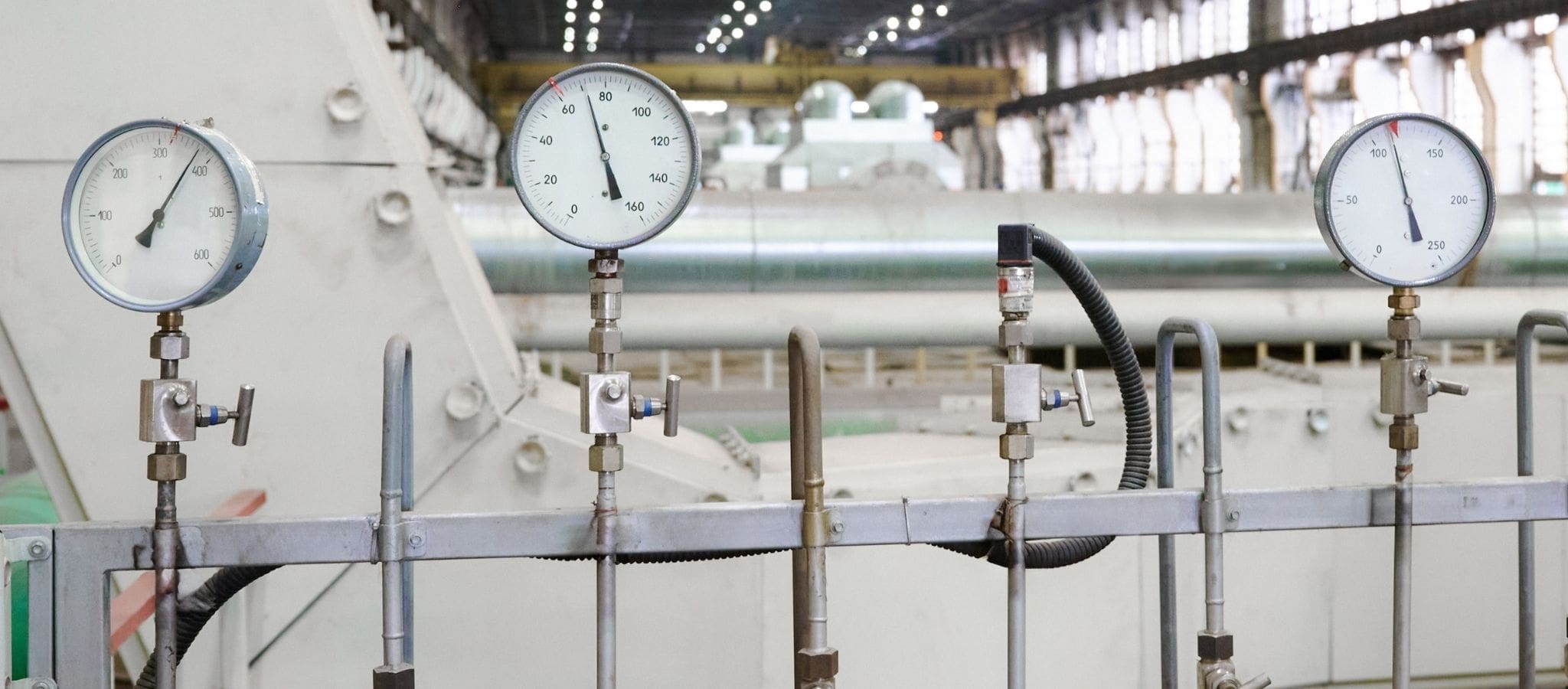
Yet when we visit sites, including large food manufacturers, it’s common to see gauges that are broken, stuck at zero or clearly reading incorrectly. In some cases, around 40% of the gauges we see on site aren’t working as they should. And often, no one has noticed.
“We rely on the transducer”
In many plants, pressure readings are fed back to a SCADA system via pressure transducers. Operators monitor the digital readings in a control room and assume everything is fine.
The traditional dial gauge with a needle then becomes a simple visual check. A quick glance down the line tells you whether there’s steam in the pipe or not.
But here’s the problem: if that gauge isn’t working, it isn’t a visual check at all.
If the power goes down and the system is offline, the SCADA display won’t help. The only immediate indication of pressure in that line is the gauge itself. If that gauge is faulty and someone assumes the line is safe, the consequences could be serious. Steam under pressure is not forgiving. Removing a fitting from a live line could lead to injury in seconds.
It’s easy to dismiss a broken gauge as a minor issue. It isn’t.
Why doesn’t it get done?
For some businesses, it simply isn’t on the radar. Unless pressure is classed as a critical control point in a process, there may be no direct audit pressure to calibrate visual gauges.
Cost plays a part too. So does perceived downtime. It can feel like another maintenance task competing for attention.
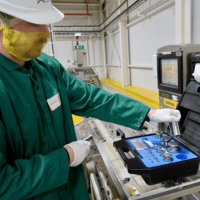
In reality, the process is straightforward. Most gauges are fitted with isolation valves. We isolate the gauge, remove it, test it using UKAS-calibrated equipment, make any small adjustments if needed, and refit it. The whole job typically takes around 25 to 30 minutes. There is minimal disruption, and a full calibration certificate is issued.
Often, once the risks are explained, site teams understand immediately. The difficulty is that without a clear requirement, it can slip down the priority list.
Safety is only part of the picture
There is also a financial argument.
An inaccurate gauge can hide underlying issues. Pressure creeping up or dropping slightly can indicate leaks, blockages or equipment starting to fail. If you cannot trust the reading, you lose that early warning. That can mean higher energy use, inconsistent cooking processes or avoidable breakdowns.
In steam cooking applications, for example, gauges are working hard. They can stick or drift over time. For heavily used lines, six-monthly calibration is a sensible starting point. Less frequently used equipment may be fine on an annual basis. It depends on how critical the application is and how often it runs.
The key question is simple: if the gauge is there for a reason, can you trust what it’s telling you?
If the answer is no, it is either time to calibrate it or remove it altogether.
A small job. A big difference.
Pressure gauges are often treated as background equipment. Until something goes wrong.
Regular calibration improves safety, supports consistent processes and helps you spot problems earlier. It is a modest investment compared to the potential cost of an incident or prolonged inefficiency.
If you would like to review the condition of your pressure or temperature gauges, speak to the team at MWS. We can advise on suitable calibration intervals and carry out UKAS-traceable calibration on site with minimal disruption.